

















Individual Seat Designs and Colour Configurations
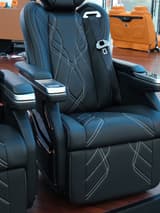
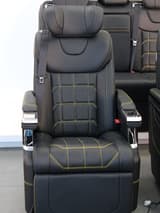
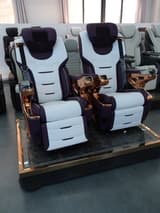
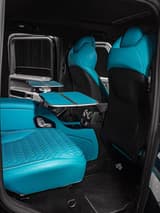
Individual seat configurations clarify colour blocking, centre-panel proportions, bolster transitions and rear-shell treatment before the complete cabin direction is approved. Final materials and functions follow the written specification.
sales@ownsilent.internationalVehicle details, supplied components and final materials are confirmed for your project before production.
What these components do
Helps compare the visible seat design before agreeing materials, functions and whole-cabin coordination.
- Seat form and colour blocking
- Start with the complete seat proportions and the distribution of colour between its centre and surrounding areas.
- Bolsters, profiles and rear shell
- Bolster transitions and rear-shell treatment affect the seat beyond its front view.
- Seat-to-cabin finish coordination
- Close details and component relationships help connect the selected seat with the wider interior.
Your guide to this page.
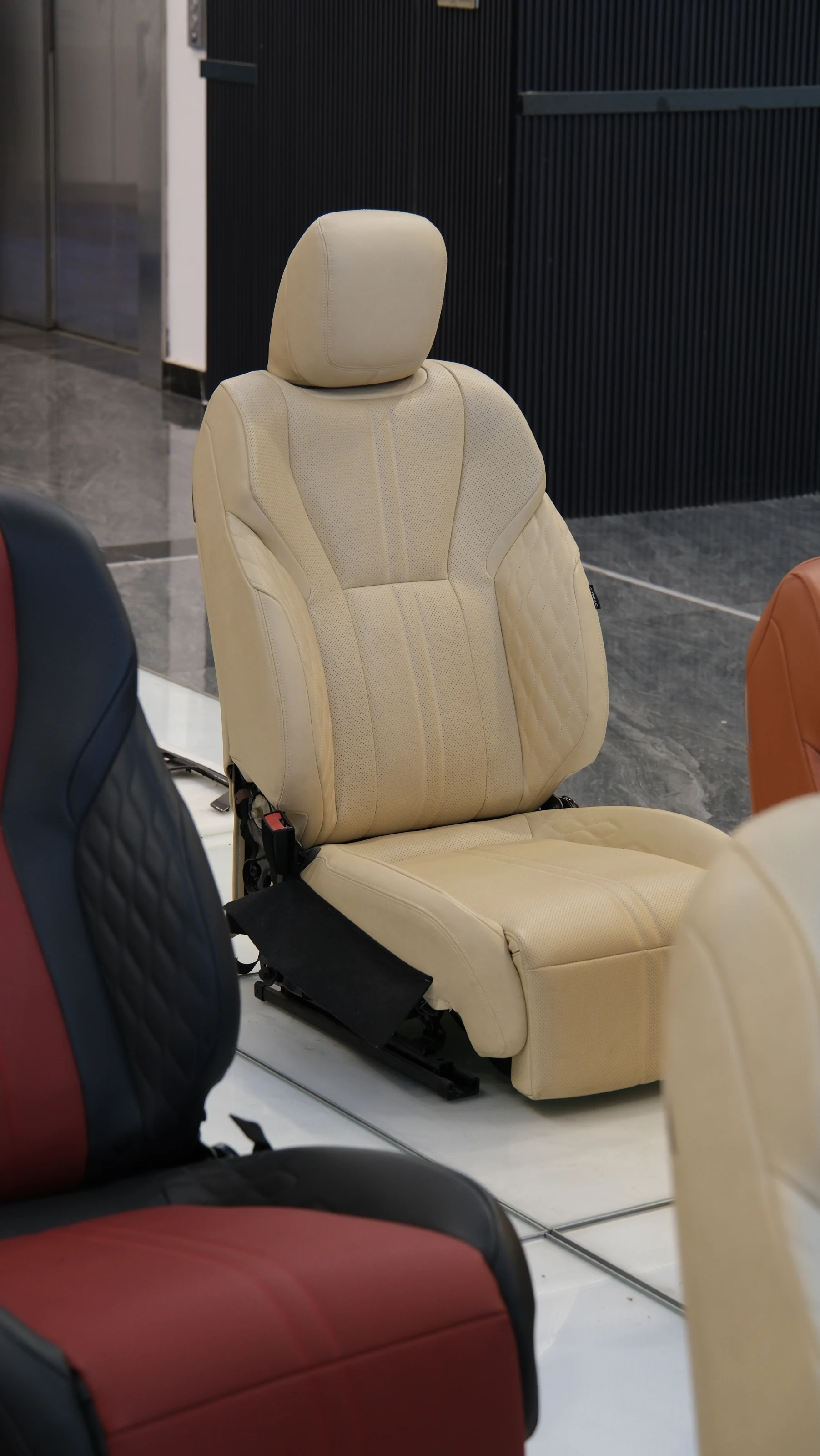
Compare the overall seat direction
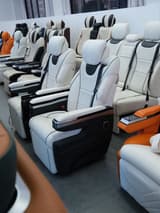
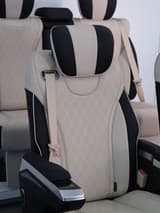
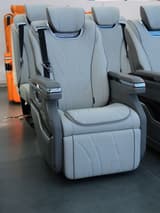
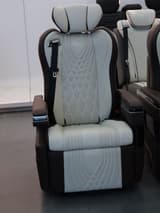
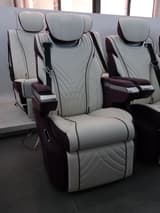
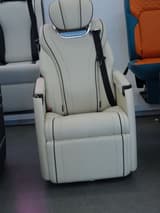
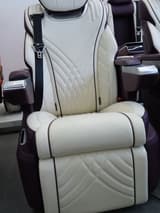
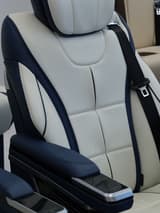
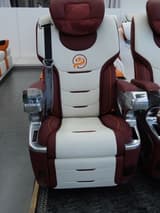
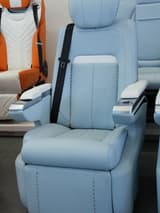
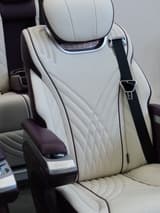
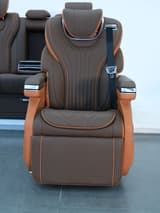
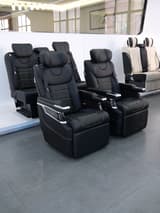
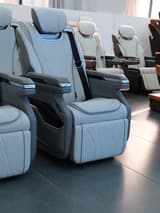
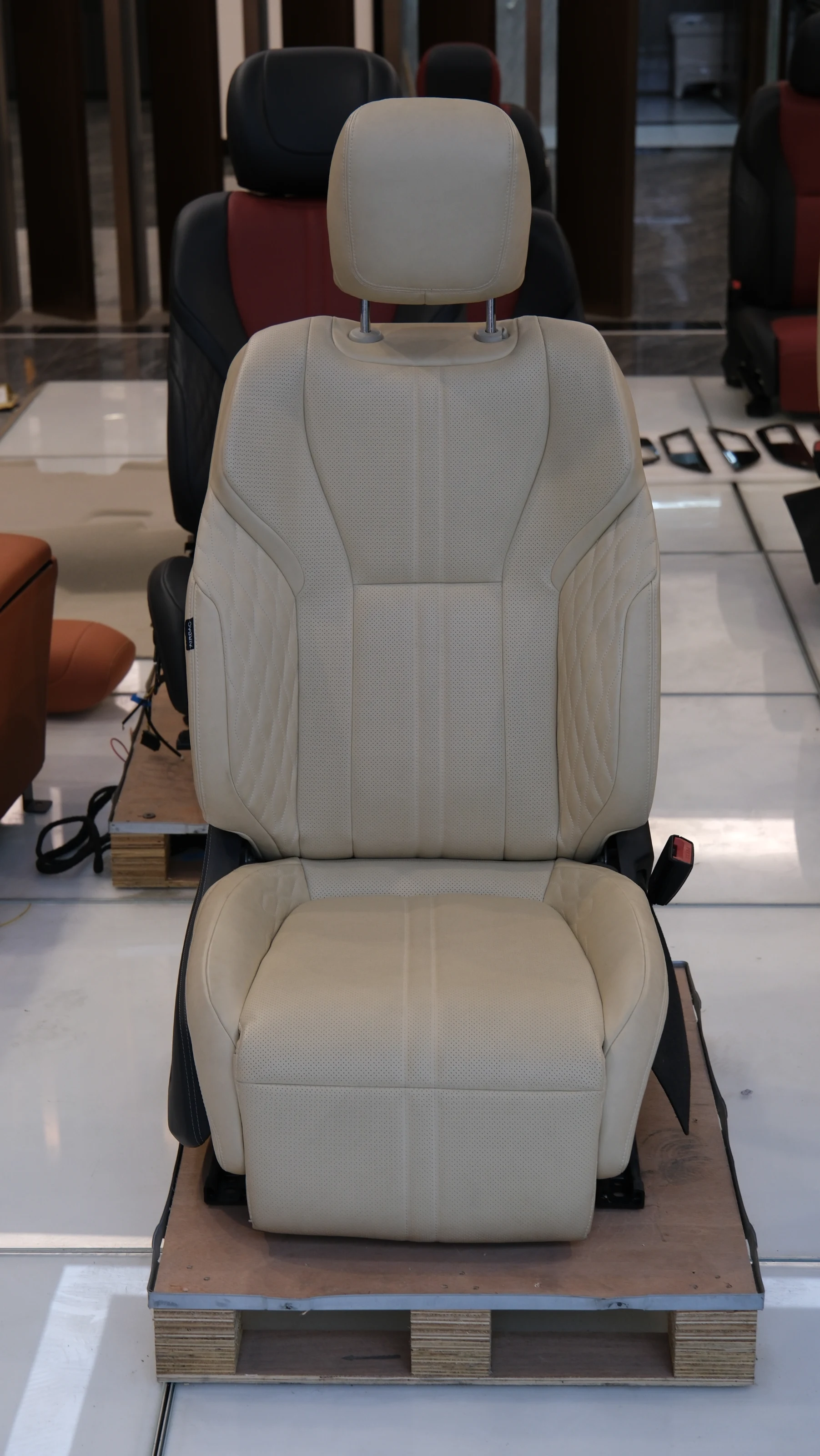
Cream Seat Front View
Start with the complete seat proportions and the distribution of colour between its centre and surrounding areas. This establishes a direction before smaller finishes are chosen. Approve the exact colour and material through physical references.
Follow the surfaces around the seat
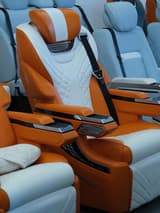
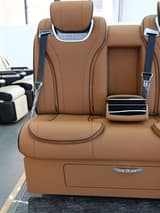
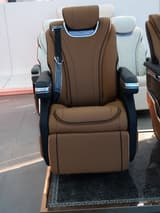
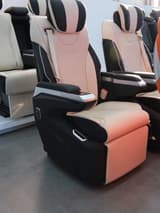
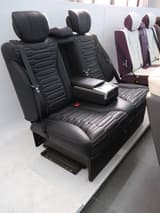
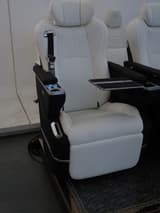
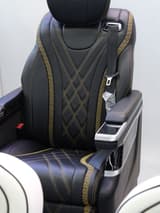
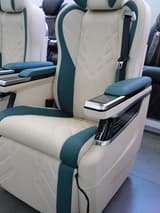
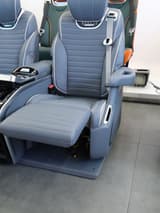
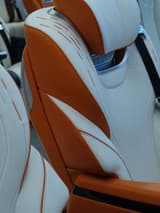
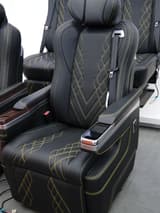
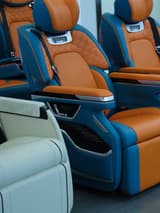
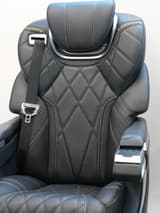
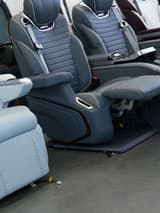
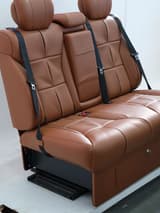
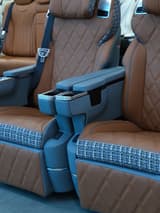
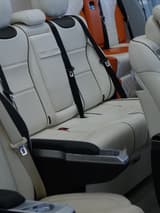
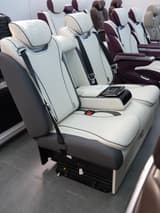
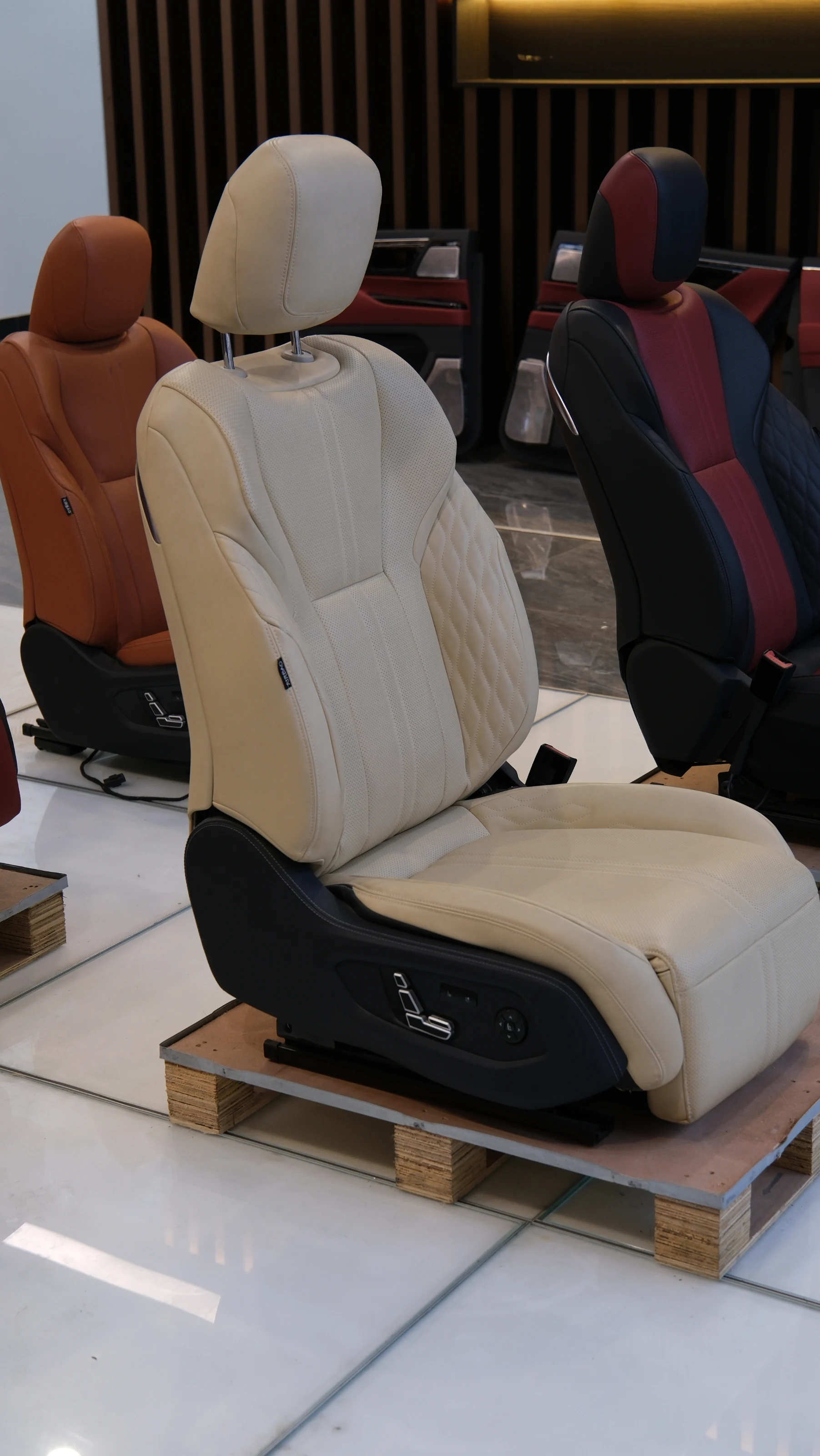
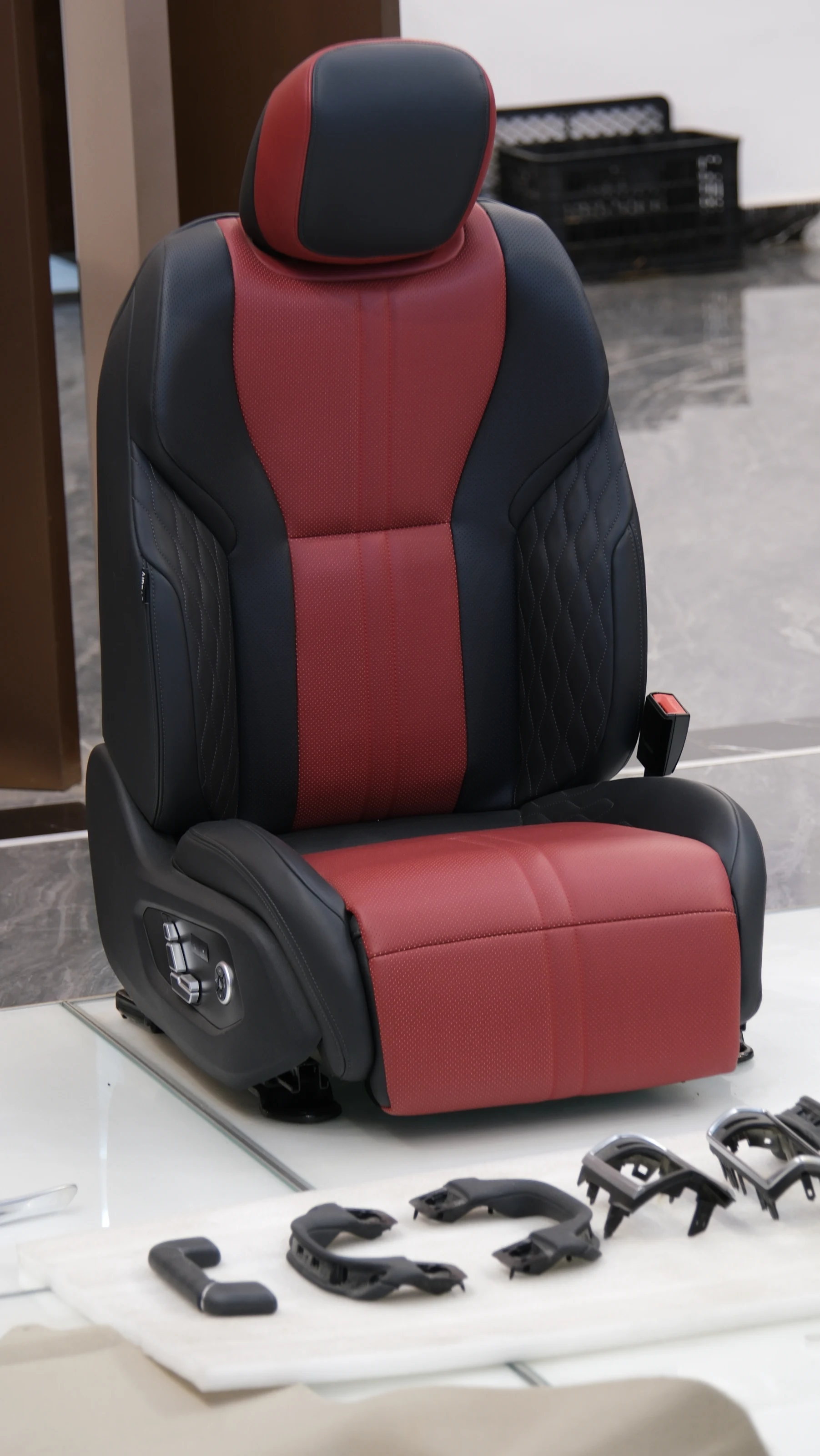
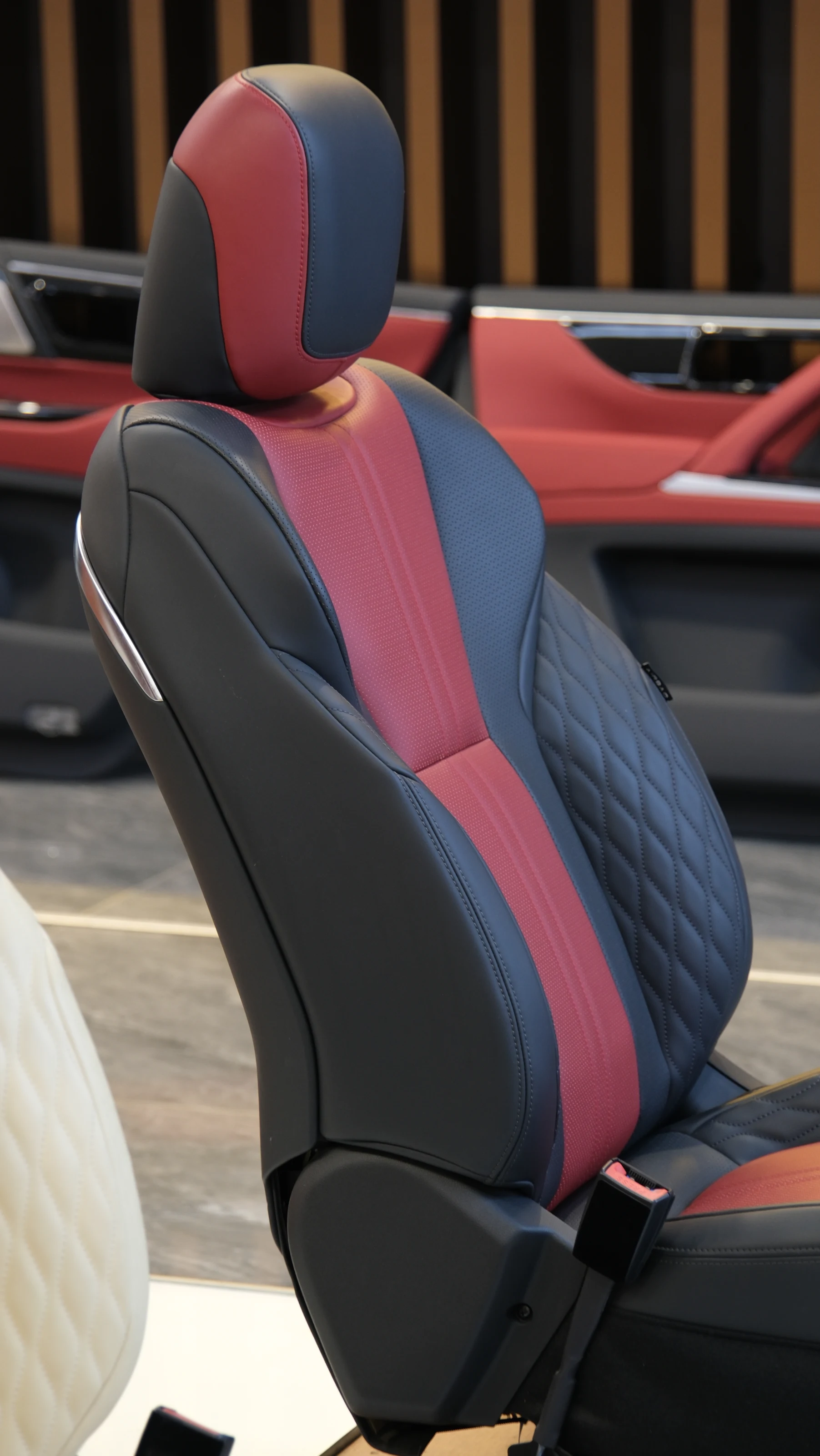
Cream Seat at an Angle
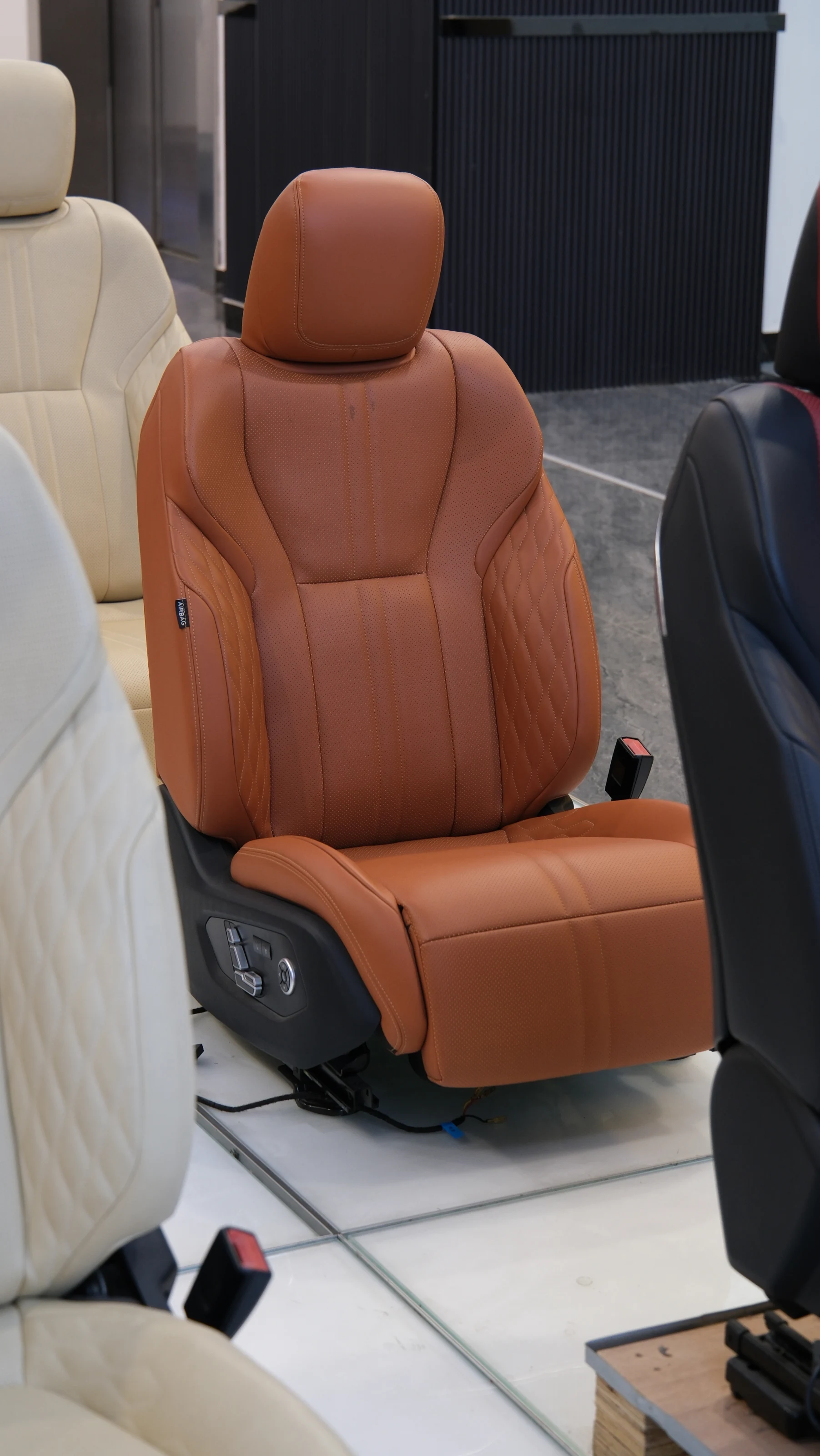
Bolster transitions and rear-shell treatment affect the seat beyond its front view. Considering these areas together keeps side and rear surfaces connected to the main design, while functions, hardware and mounting remain separate specification questions.
Connect the seat to the cabin
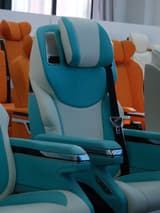
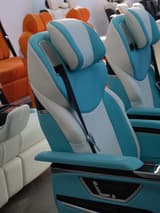
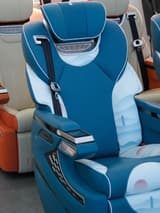
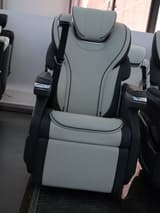
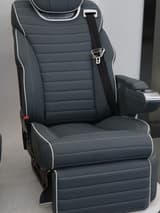
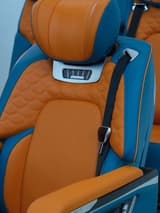
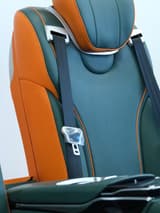
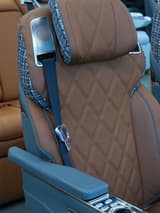
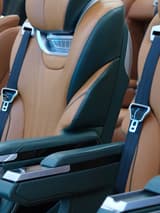
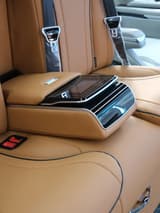
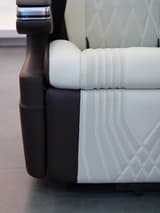
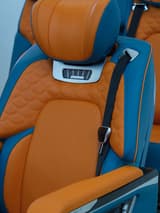
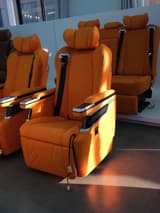
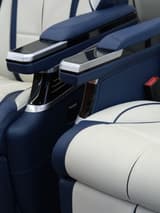
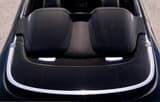
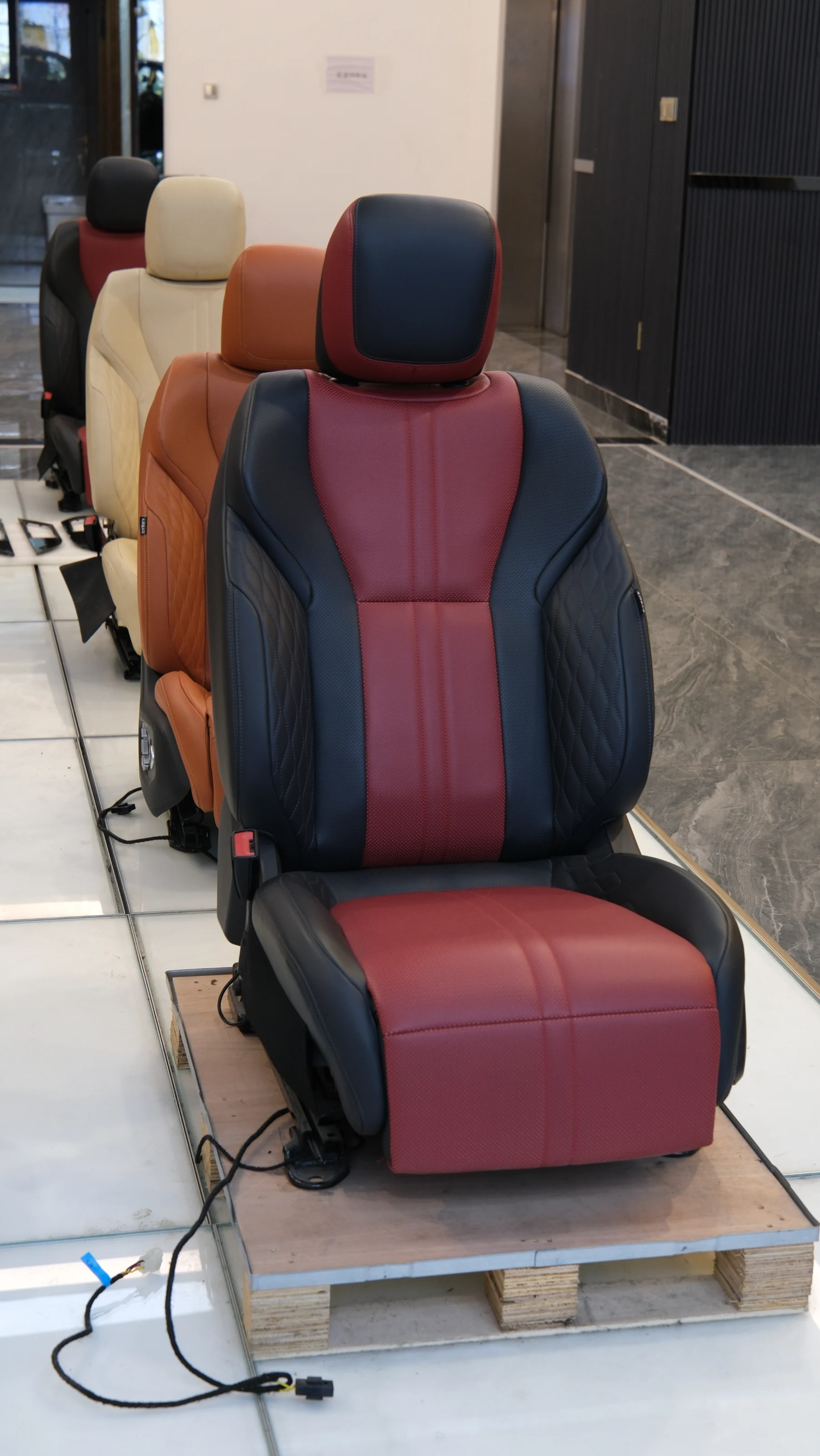
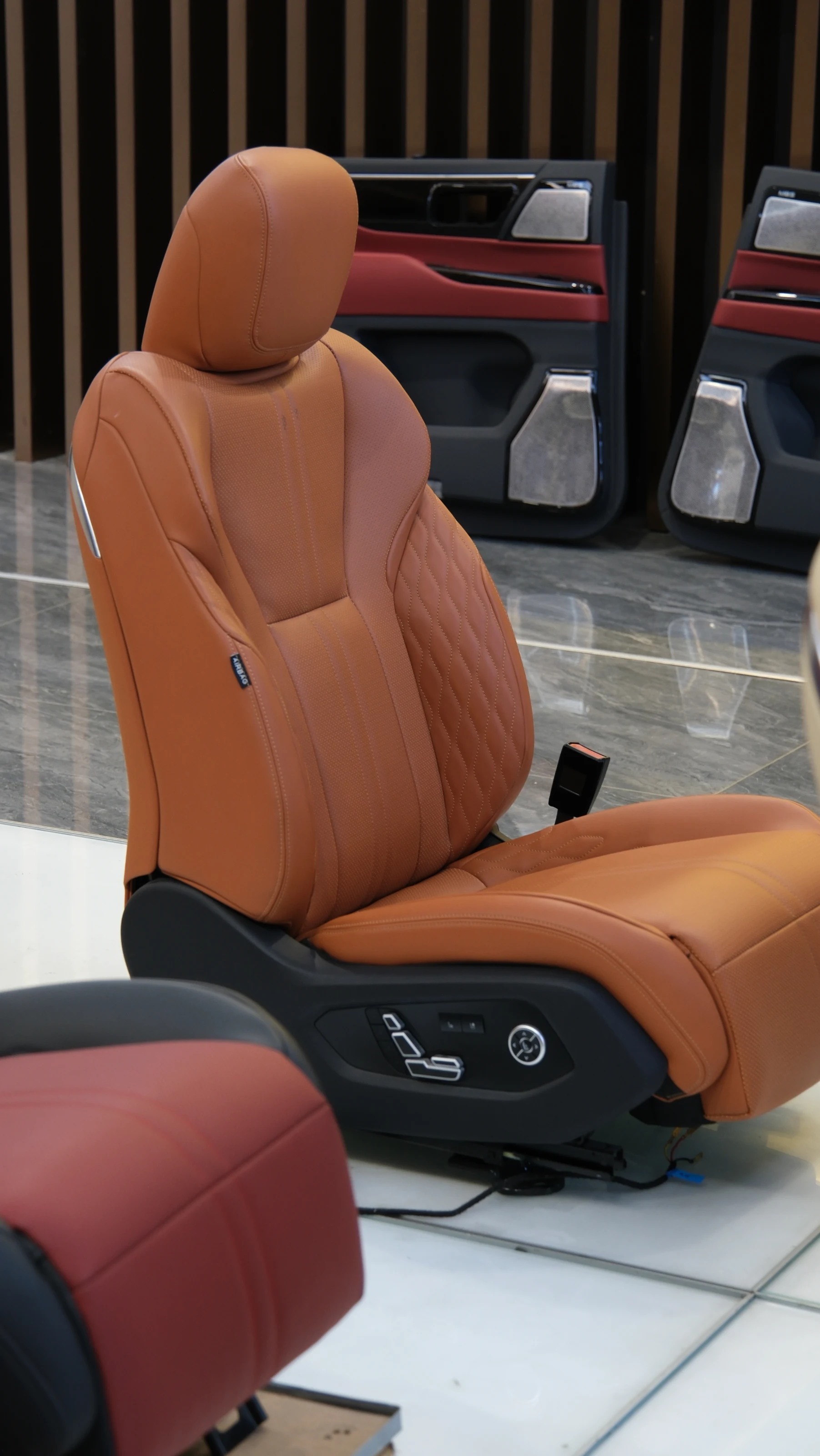
Two-Tone Headrest and Backrest
Close details and component relationships help connect the selected seat with the wider interior. Agree which colours and finishes continue into adjoining trim, and list the supplied components so a reference photograph is not interpreted as a universal kit.
Details before you decide
Design & component details
Helps compare the visible seat design before agreeing materials, functions and whole-cabin coordination.
Vehicle fitment & original functions
- Vehicle details
- Brand, model, manufacturing year, market specification, VIN, current cabin dimensions and steering position.
- Component scope
- The supplied parts, reused original parts, retained openings, controls, mounts and adjoining trim are identified in writing.
- Material approval
- Colour, grain, perforation, quilting, piping, thread and any logo treatment are confirmed against available physical references.
- Interfaces & functions
- Displays, vents, speakers, switches, wiring, sensors and mechanical functions remain part of the engineering review.
- Visual coordination
- Panel divisions, stitch direction, edge transitions and front-to-rear relationships are reviewed as one cabin programme.
Specification, inspection & installation
Confirm what is included around completed individual seat design, what remains original and which connected components must share the same design direction.
Record colour, material, pattern, stitch, piping, logo treatment and interface requirements before production work is authorised.
Review the completed work through the quality inspection record, protect it for shipment and complete professional installation with functional checks where required.
More related interior pages
Related pages
Continue through the OWNSILENT knowledge graph
Manufacturing
Component Staging, Production Racks and Export Packaging
Manufacturing
Door-Panel Backing Structures and Interfaces
Manufacturing
Dashboard Trim Assembly and Interface Openings
Manufacturing
Door-Panel Reverse Assembly, Wiring and Electronic Interfaces
Manufacturing
Interior Door-Panel Structure Preparation
Manufacturing
Interior Fascia, Door Panels and Component Staging
Bring these details to your enquiry.
- Preferred colour references and physical material samples.
- Front/rear seating scope and adjoining trim.
- Material identity, mounting arrangements and required retained functions.
Questions & answers
Is this a fixed package specification?
No. Component scope, colour, material and surface finish are confirmed for each vehicle-specific order.
How is vehicle compatibility checked?
OWNSILENT reviews the exact brand, model, year, market specification, VIN, steering position and original-cabin dimensions before accepting a vehicle-specific order.
Are all displayed materials confirmed as leather?
No. Exact material identity, grade, origin and application must be recorded in the official quotation and material approval sheet.
Can the selected design be changed?
Yes. Available colour, perforation, quilting, stitching, piping, embroidery and supporting trim directions are reviewed during design approval.
Why are several component details included?
Each selected detail records a useful difference in completed individual seat design, such as overall form, side profile, working access, interface openings, adjoining components or visible finish.
Will original vehicle functions remain operational?
Required controls, wiring, sensors, displays, speakers, seat functions and mechanical interfaces are identified during engineering review. Exact retention and any diagnostic or coding requirement must be confirmed for the individual vehicle.
Who should install the completed parts?
Professional installation is recommended. The installer should verify mounting, electrical connections, retained safety systems, clearances and component operation before the vehicle is returned to use.
How is the completed order prepared for delivery?
Visible finish and component condition are reviewed before protective packing. Shipping method, insurance, destination requirements and installation responsibility are confirmed in the order documentation.
Start with your vehicle
Tell us your vehicle, the components you need and the finish you have in mind. Open a photo to include that specific detail in your enquiry.
Usually replies within one business day · Handled by the OWNSILENT team
Prefer email? Reach us at sales@ownsilent.international