








































OWNSILENT
Dawn aero cowlingCullinan Series II conversionCarbon-ceramic rotor productionMercedes-AMG G63 brakesInside the Range Rover L405 Cabin ConversionG-Class custom seatsTaycan 4S US to EUInside the Yellow G-Class InteriorHow a G-Class Steering Wheel Is TrimmedInside a G-Class Door PanelFrom Dashboard Shell to Finished G-Class FasciaFrom Stitch Sample to Finished G-Class SeatInside a G-Class Centre ConsoleG-Class Rear Tray Tables, Open and ClosedA Complete Orange G-Class Interior Kit Before InstallationInside the Red G-Class Rear Seating SetHow Lighting Changes an SUV Cabin After DarkA Round Table Beside an SUV Captain’s SeatA Passenger’s View of the Cream-and-Brown SUV CabinThe Red-and-Black SUV Seat in DetailOrange-and-Blue SUV Captain’s Seats After InstallationWhere the Controls Sit on a VIP Captain’s SeatInside a Range Rover SV Executive 4-Seat CabinTurquoise Ivory Aero Captain SeatCognac Graphite Heritage SuiteGraphite Lime Executive SeatPearl Ivory Onyx Winged SeatSaddle Cognac Rear BenchAqua Pearl Slimline SeatCaramel Grand Touring Rear SeatGlacier Grey Minimalist SeatMandarin Orange Heritage SuiteMocha Black Sculpted SeatOcean Blue Mandarin Dynamic SeatBlush Ivory Onyx Captain SeatImperial Plum Gold-Trim SeatPearl Ivory Mocha Diamond SeatGraphite Channel-Stitched SeatSilver Grey Onyx Contour SeatPearl Ivory Burgundy Lounge SeatArctic White Onyx Diamond SeatCharcoal Linear Comfort SeatObsidian Cognac Diamond SeatMidnight Blue Integration SeatCognac Complete Executive CabinOcean Blue Mandarin Touring SeatPearl White Onyx Lounge SeatObsidian Gold Diamond SeatTurquoise Ivory Diamond SeatPearl Ivory Burgundy Curved SeatSlate Grey Integrated-Console SeatForest Green Mandarin SeatMandarin White Diamond Captain SeatIvory Orange Curved-Panel SeatIvory Navy Contour SeatCognac Diamond Signature Captain SeatTan Diamond Plaid-Wing SeatBurgundy Ivory Dragon Chrome-Arm SeatObsidian Gold Lattice Wood-Trim SeatCognac Forest Shell Captain SeatGrey Tray-Table Business SeatPassenger Interfaces and Trim DetailsHigh-Contrast VIP Seat ColoursIvory and Neutral Seat UpholsteryVIP Seat Side Profiles and ConsolesCompare OWNSILENT VIP Seat DesignsCognac Seats with Blue and Green AccentsMatching VIP Seats and Rear BenchesSignature VIP Captain SeatsVIP Lounge and Relaxation SeatsVIP Rear Seats and ConsolesVIP Seat Armrests, Controls and ConsolesVIP Seat Leather and Upholstery FinishesBespoke VIP Seat ColoursVIP Seat Quilting and Stitching PatternsVIP Cabin Seats, Consoles and Seat BacksVIP Seat Backs and Passenger FeaturesAll stories
01Understand

Choose component or programme

02Specify

Material, finish and scope

03Inspect

Real carbon references

04Verify

VIN, interfaces and fitment

05Request

Approve scope before production

Wikipedia research · fundamentals

Carbon Fiber & CFRP Fundamentals

A source-grounded primer on carbon-fiber history, filaments, tow, CFRP matrix and reinforcement, synthesis, directional properties and failure behavior.

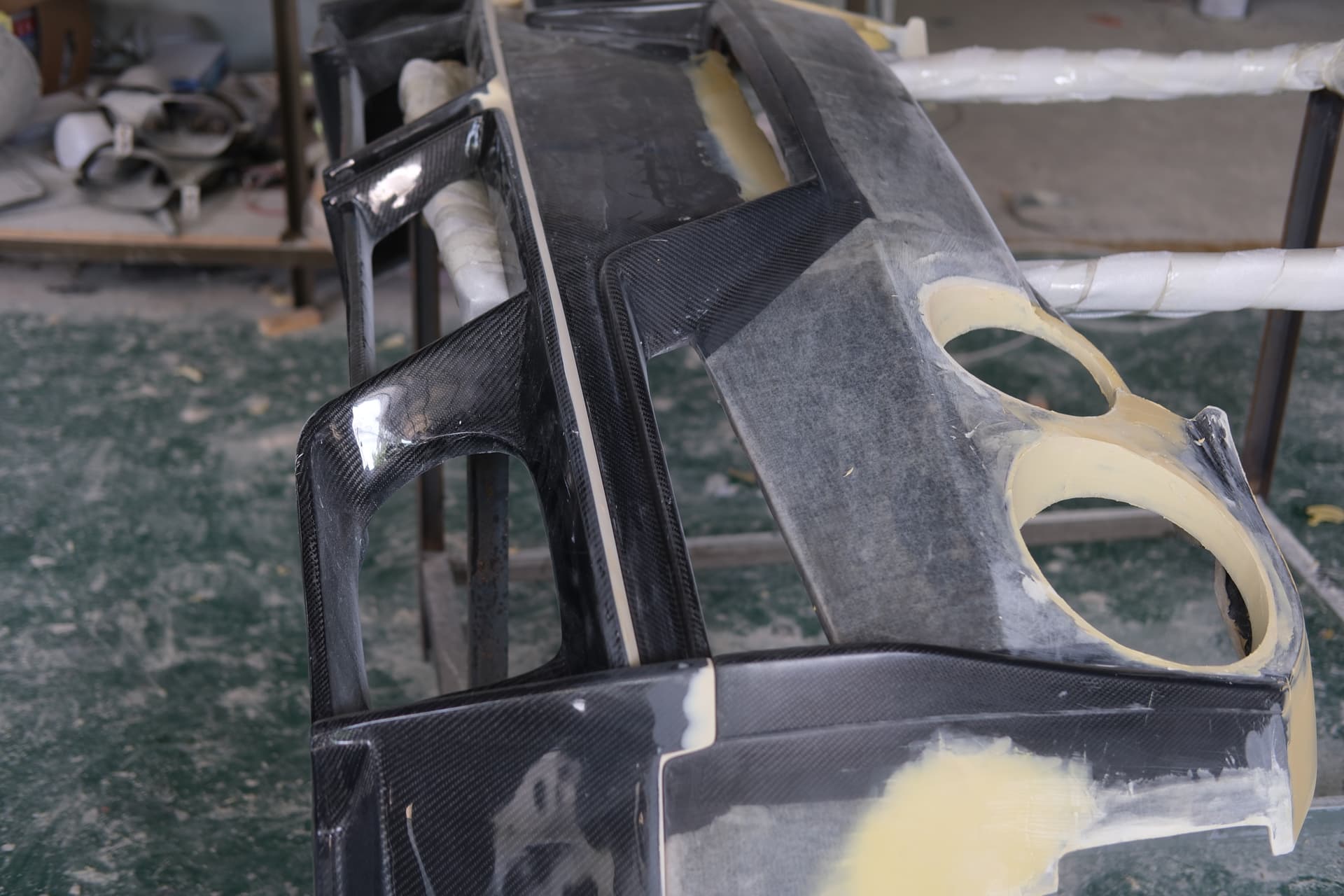
Carbon-fiber component mould prepared for production
Tooling & mould preparation — general OWNSILENT carbon-fiber manufacturing reference.
PROCESS 01

Carbon fiber vs CFRP

Carbon fiber is the reinforcement itself; CFRP is the composite created when carbon reinforcement is combined with a polymer matrix. In automotive use, the finished body part is usually a CFRP component rather than bare carbon filaments.
Carbon-fiber laminate and resin preparation in the production environment
Material & laminate preparation. OWNSILENT project/manufacturing image used as a visual reference; it is not claimed to depict every technical statement in this section.
PROCESS 02

From early carbon filaments to modern reinforcement

Carbon filaments were used in early electric-light experiments in the nineteenth century. High-performance carbon fiber developed much later, including rayon-based work in the 1950s and PAN-based developments in the early 1960s that helped establish modern composite reinforcement.

Carbon-fiber component during vehicle fitment review
Vehicle fitment review. OWNSILENT project/manufacturing image used as a visual reference; it is not claimed to depict every technical statement in this section.
PROCESS 03

Fine filaments bundled into tow

Individual carbon filaments are commonly about 5–10 micrometers in diameter and are grouped by the thousands into continuous tow. Tow can be used directly or converted into woven, braided or other reinforcement formats.

Finished carbon-fiber exterior component ready for inspection
Finished-part inspection. OWNSILENT project/manufacturing image used as a visual reference; it is not claimed to depict every technical statement in this section.
PROCESS 04

How PAN-based carbon fiber is produced

A common PAN route starts with polymer precursor fiber, followed by stabilization or oxidation, high-temperature carbonization and further heat treatment depending on the target properties. The resulting filament yarn can be surface-treated for handling and wound onto bobbins for downstream composite processing.

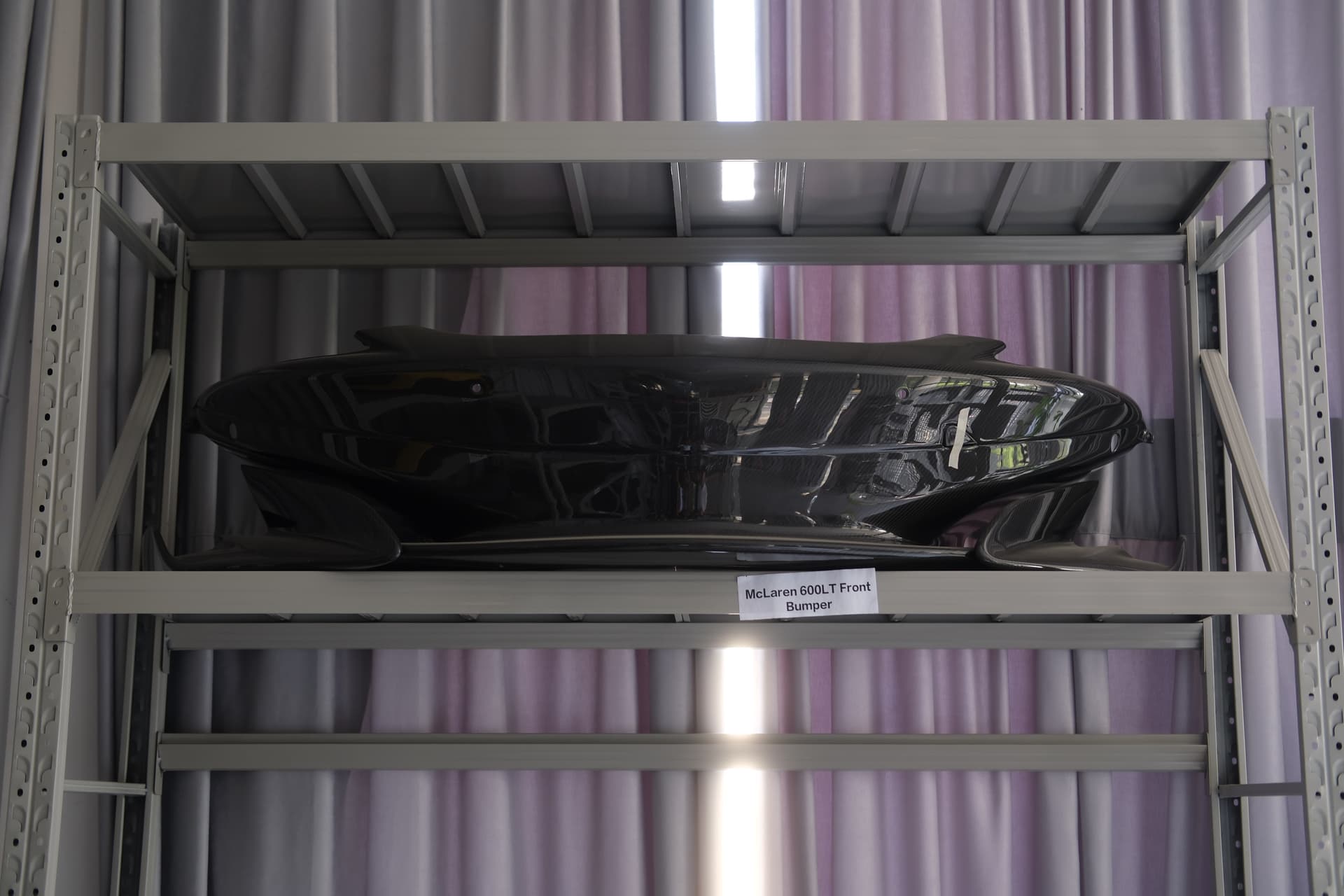
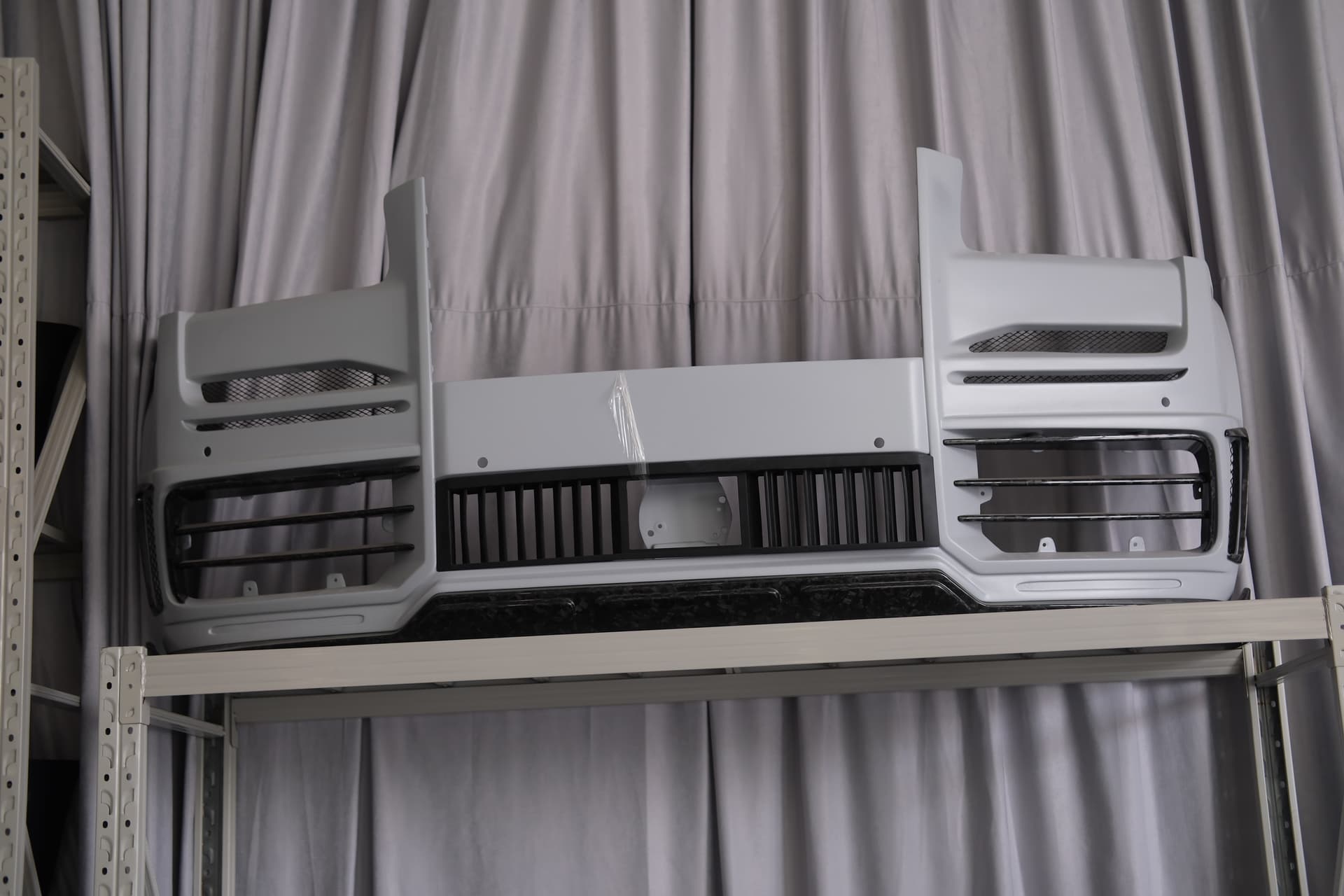
Carbon-fiber front body component prepared for product review
Automotive carbon component. OWNSILENT project/manufacturing image used as a visual reference; it is not claimed to depict every technical statement in this section.
PROCESS 05

Matrix + reinforcement

In CFRP, carbon reinforcement provides much of the strength and stiffness while the polymer matrix binds the reinforcement, transfers loads and shapes the finished component. Matrix chemistry also affects the final part's behavior and processing route.

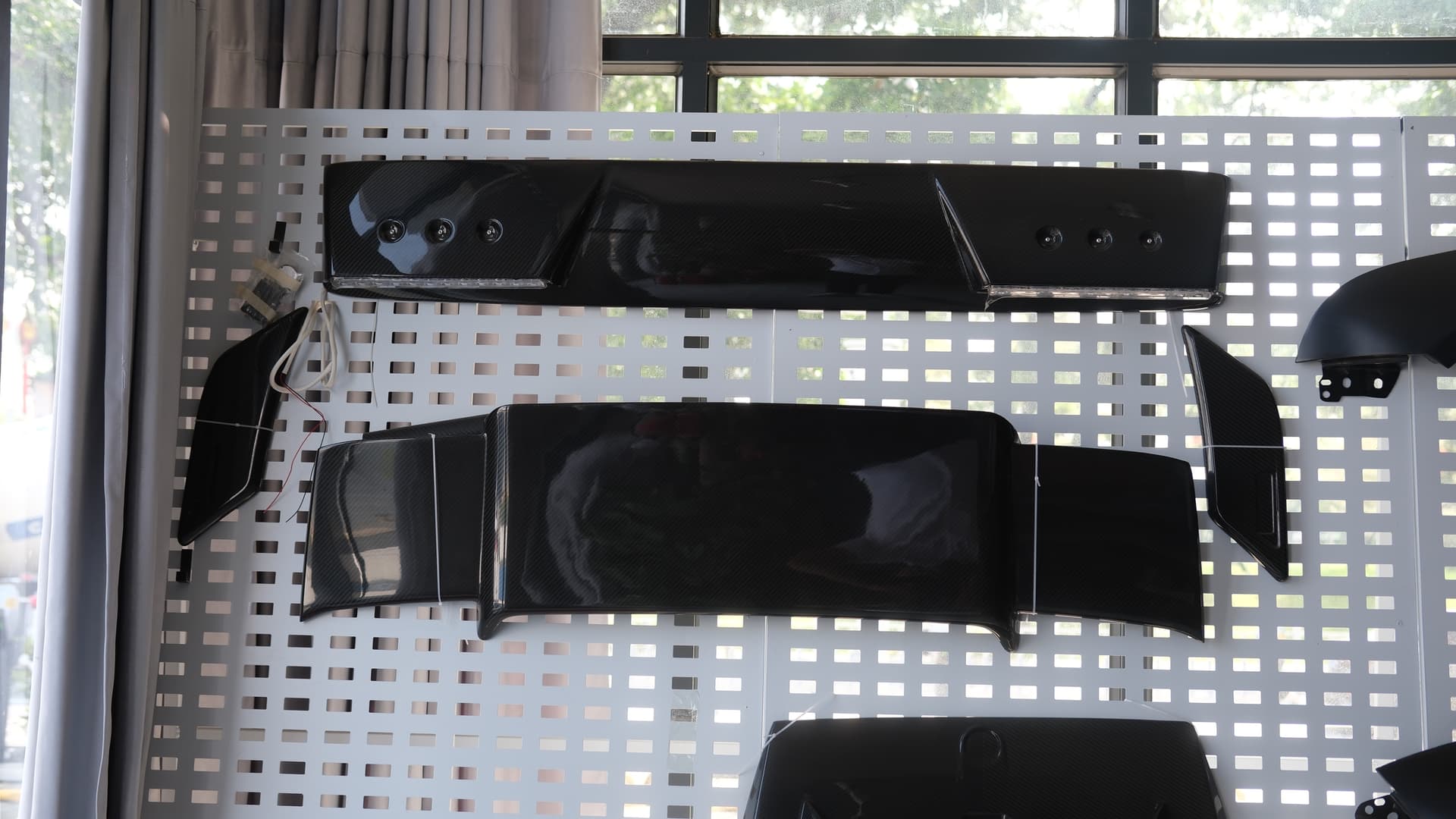
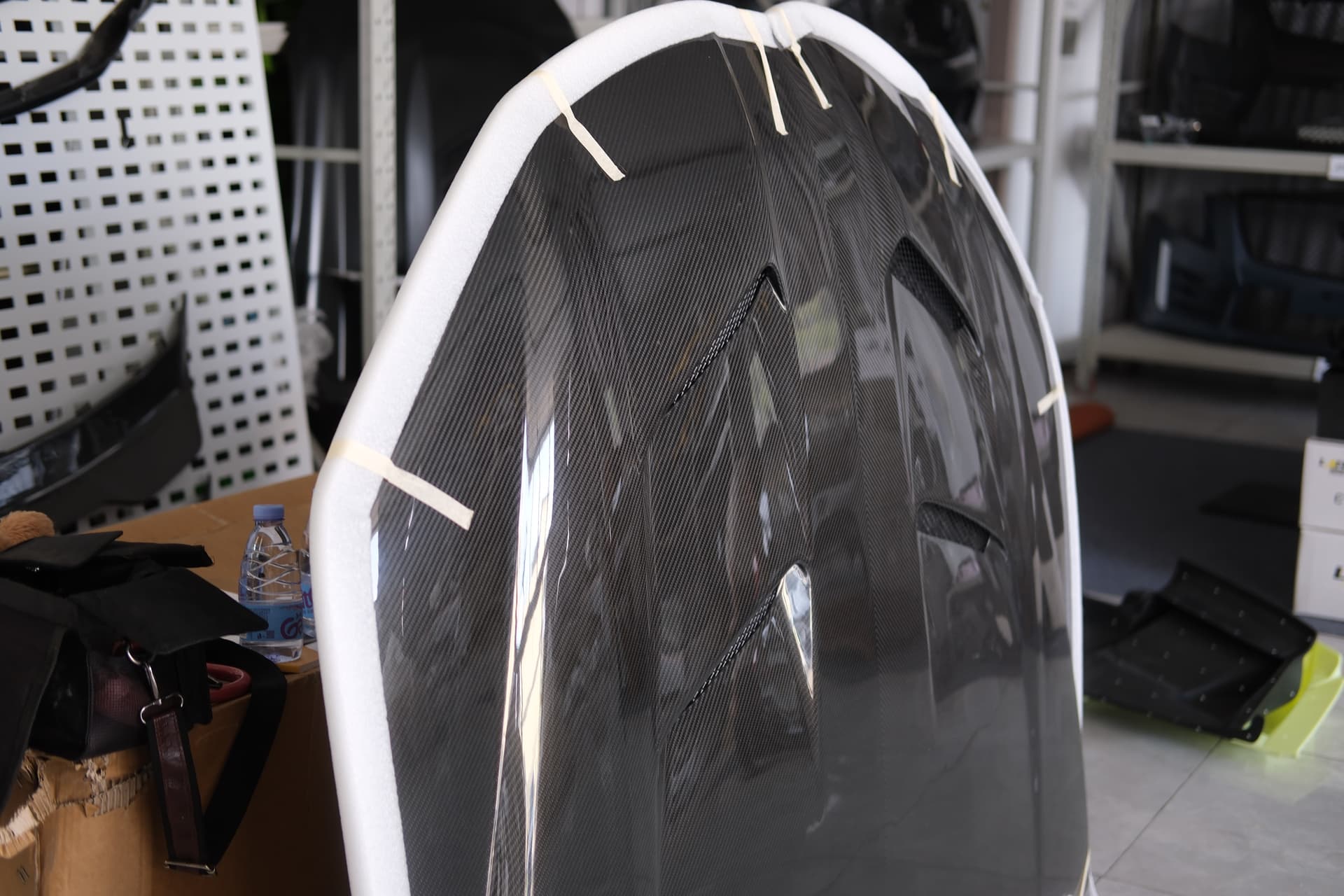
Carbon-fiber rear exterior component prepared for fitment
Exterior component scope. OWNSILENT project/manufacturing image used as a visual reference; it is not claimed to depict every technical statement in this section.
PROCESS 06

Directional mechanical properties

CFRP is anisotropic: strength and stiffness depend strongly on fiber direction, layup and fiber proportion. A visible weave pattern alone does not define the laminate's structural performance.

Carbon-fiber component mould prepared for production
Tooling & mould preparation. OWNSILENT project/manufacturing image used as a visual reference; it is not claimed to depict every technical statement in this section.
PROCESS 07

Brittle and layered failure modes

Unlike ductile metals, many epoxy-based CFRPs show limited plastic deformation before failure. Composite damage can involve matrix cracking, fiber/matrix debonding, fiber pull-out and delamination between layers.

Carbon-fiber laminate and resin preparation in the production environment
Material & laminate preparation. OWNSILENT project/manufacturing image used as a visual reference; it is not claimed to depict every technical statement in this section.
PROCESS 08

Environment matters

Temperature, humidity and ultraviolet exposure can affect the polymer matrix and fiber/matrix interface. Protective coatings and an application-appropriate resin system are therefore part of the finished component specification.

Carbon-fiber component during vehicle fitment review
Vehicle fitment review. OWNSILENT project/manufacturing image used as a visual reference; it is not claimed to depict every technical statement in this section.

Research sources

Wikipedia technical background used for this guide

The factual background is paraphrased and organized for automotive use. OWNSILENT project images are separate visual references and are not presented as Wikipedia media.

Related verified vehicle programmes

See this manufacturing knowledge connected to real carbon-fiber pages

Get In Touch

Discuss a carbon-fiber manufacturing programme

Send the vehicle or component reference, required parts, preferred material and finish, quantity and destination country for project review.

Usually replies within one business day · Handled by the OWNSILENT team

Prefer email? Reach us at sales@ownsilent.international

WhatsApp

We only use your details to answer your enquiry. No spam.

Before production

Fitment is part of the carbon-fiber specification.

The vehicle name alone is not enough for a custom composite order. The exact interfaces, finish direction and supplied component schedule should be confirmed before production.

OWNSILENT product scope

Customer-facing category, programme and supplied component definition.

OWNSILENT project image

Existing project or manufacturing media already held in the OWNSILENT library.

Visual description

A description of what is visibly shown without claiming an unsupported manufacturing step.

Fitment confirmation

Vehicle-specific details that require VIN, photos, mounting or interface review.

VIN & exact vehicle

Confirm model year, market specification, body style and current exterior configuration.

Current vehicle photos

Front, side, rear and the exact component area should be documented before quotation.

Material & finish

Dry carbon, forged-carbon appearance, exposed weave, painted zones and clear finish must be defined.

Interfaces

Confirm sensors, cameras, lamps, grilles, exhaust outlets, undertrays and adjacent panels.

Mounting & trial fit

Brackets, hardware, panel gaps and left/right alignment should be reviewed before final finishing.

Approved supplied scope

The final component schedule should state each supplied panel, trim piece, mesh, bracket and hardware item.