OWNSILENT
01Understand

Choose component or programme

02Specify

Material, finish and scope

03Inspect

Real carbon references

04Verify

VIN, interfaces and fitment

05Request

Approve scope before production

Wikipedia research · automotive

Carbon Fiber in Automotive Engineering

How CFRP moved from motorsport and high-performance structures into body panels, wheels, monocoques and premium road-car components.

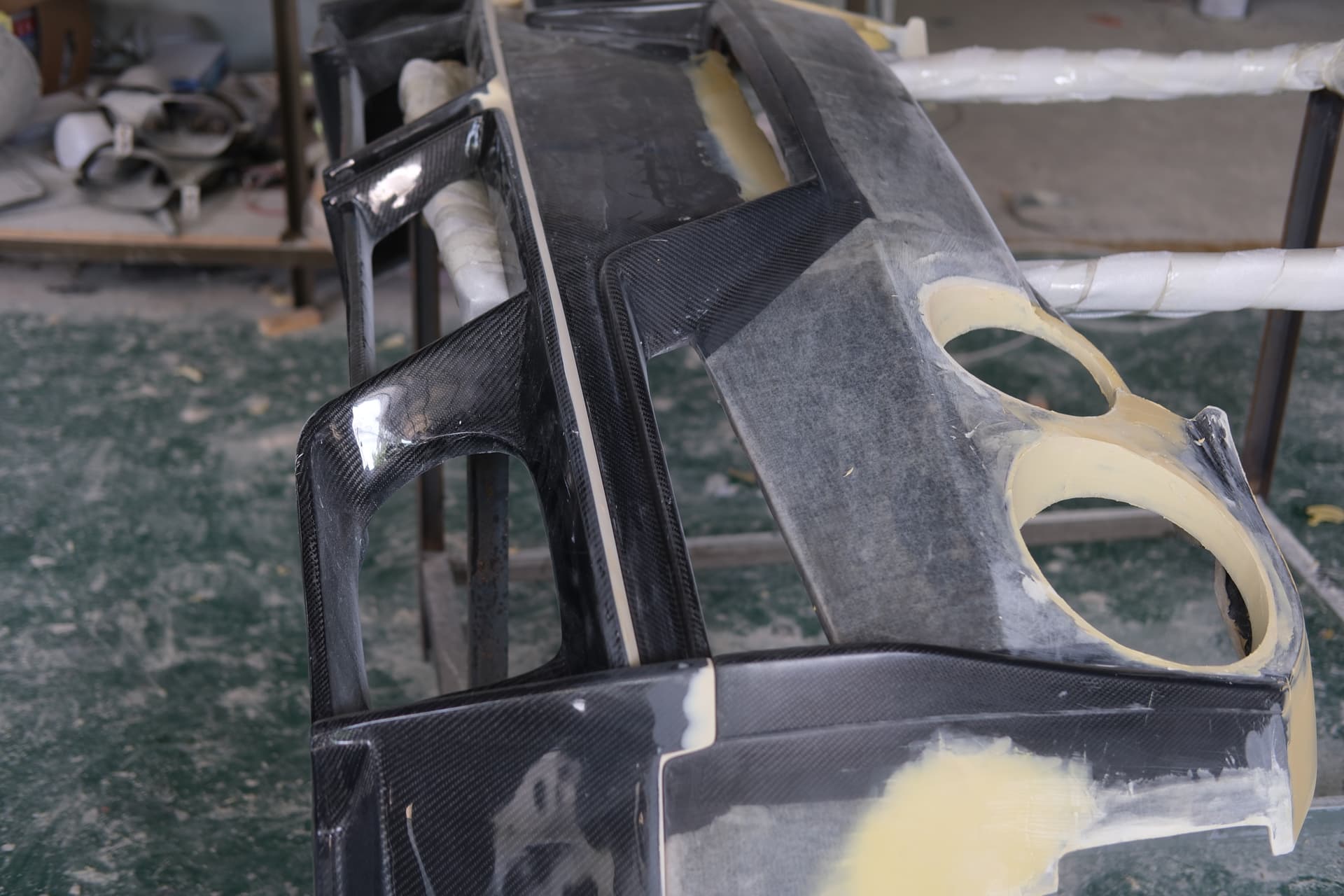
Carbon-fiber component mould prepared for production
Tooling & mould preparation — general Own Silent carbon-fiber manufacturing reference.
PROCESS 01

Why automotive engineers use CFRP

The main attraction is high strength-to-weight ratio and stiffness with low mass. In performance vehicles, reducing mass while retaining stiffness can support acceleration, braking, handling and structural design targets.
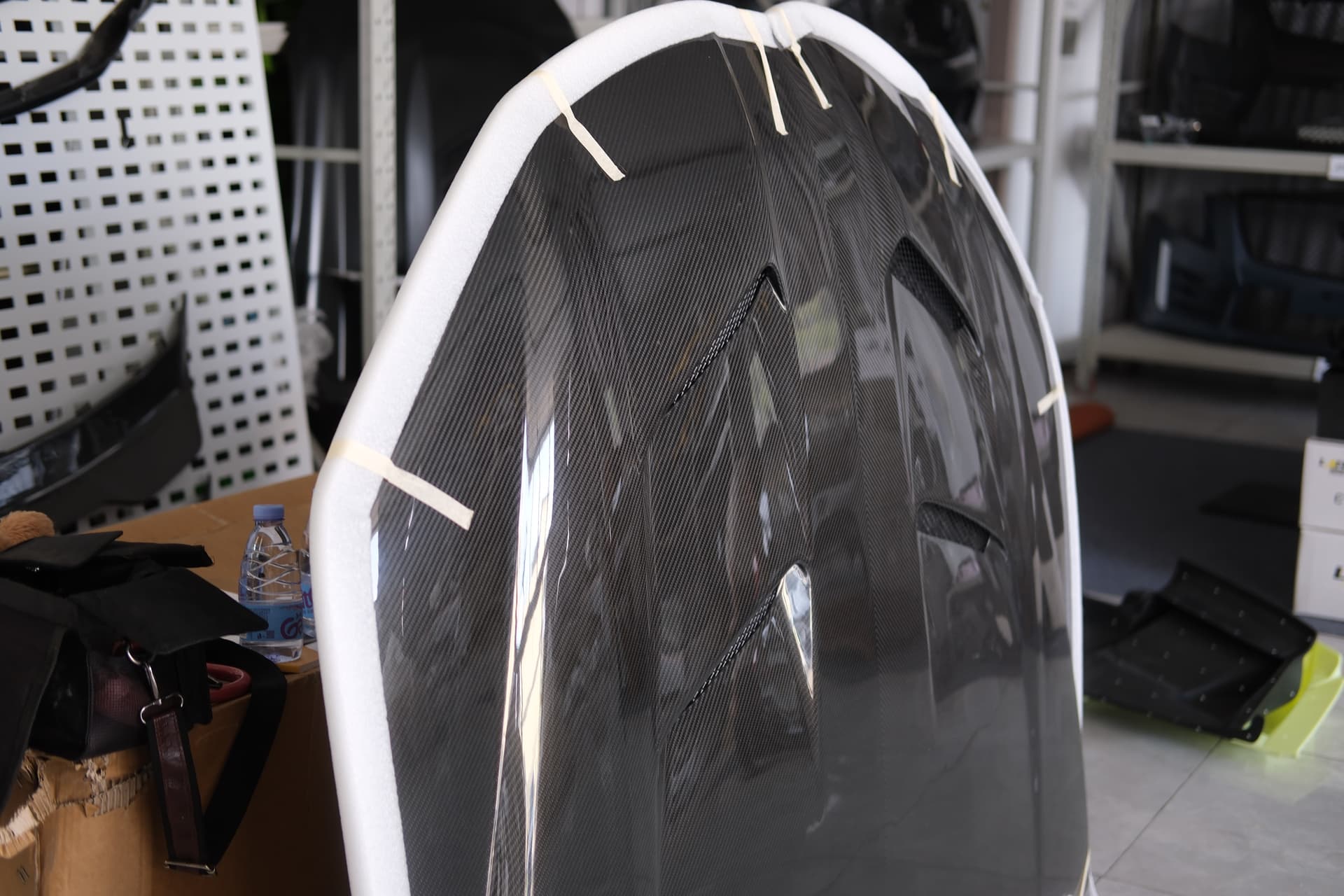
Carbon-fiber laminate and resin preparation in the production environment
Material & laminate preparation. OWNSILENT project/manufacturing image used as a visual reference; it is not claimed to depict every technical statement in this section.
PROCESS 02

Motorsport adoption

CFRP became strongly associated with high-end motorsport because directional reinforcement can be engineered around specific loads and because low mass is valuable in racing.

Carbon-fiber component during vehicle fitment review
Vehicle fitment review. OWNSILENT project/manufacturing image used as a visual reference; it is not claimed to depict every technical statement in this section.
PROCESS 03

Carbon monocoques

Formula One helped establish carbon-fiber monocoque construction in the early 1980s. The approach later became a defining technology in many high-performance and supercar structures.

Finished carbon-fiber exterior component ready for inspection
Finished-part inspection. OWNSILENT project/manufacturing image used as a visual reference; it is not claimed to depict every technical statement in this section.
PROCESS 04

Body panels and exterior components

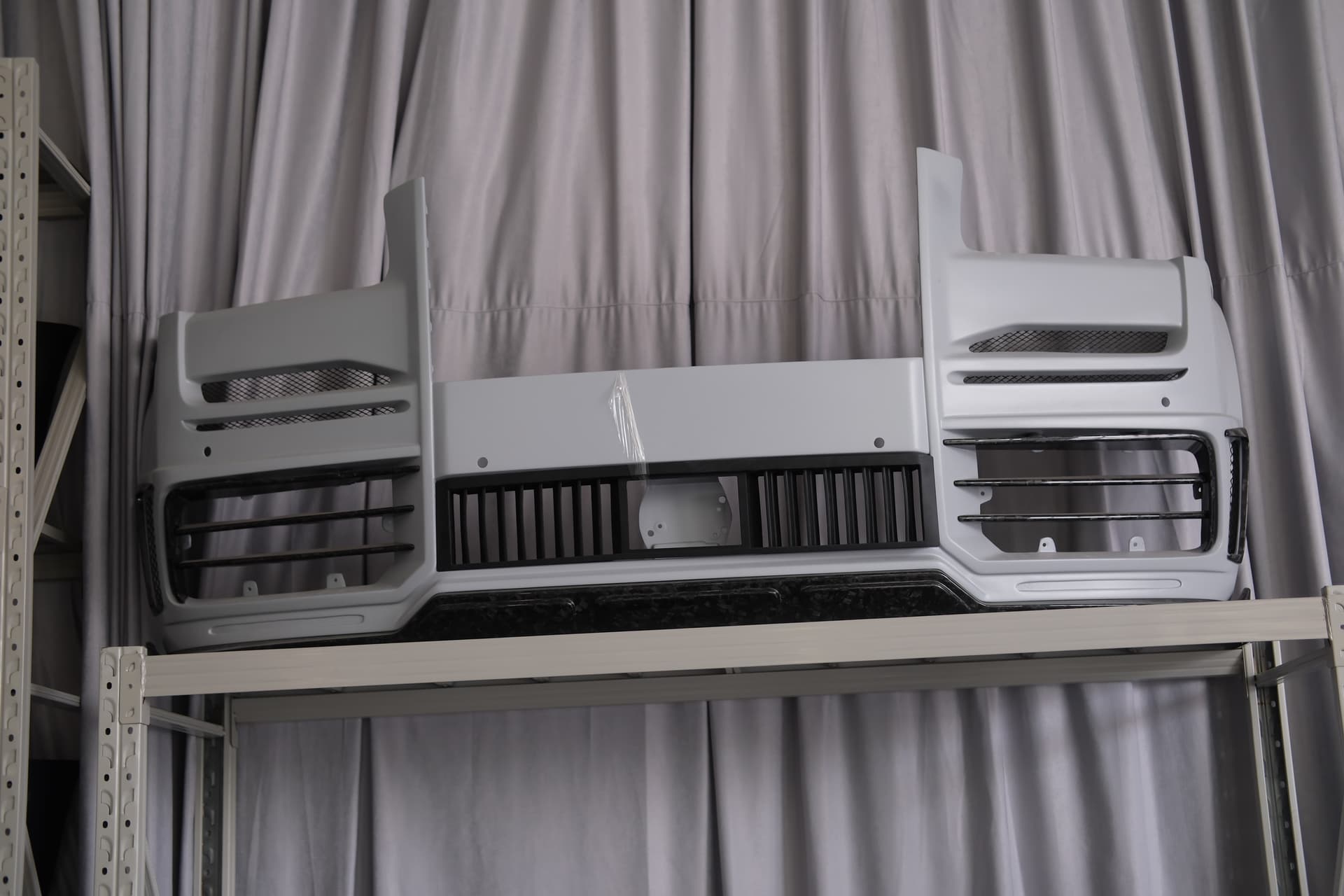
Low-volume and premium vehicle manufacturers have used CFRP for body panels and exterior components where tooling economics, weight reduction and visible finish can justify the higher production cost.

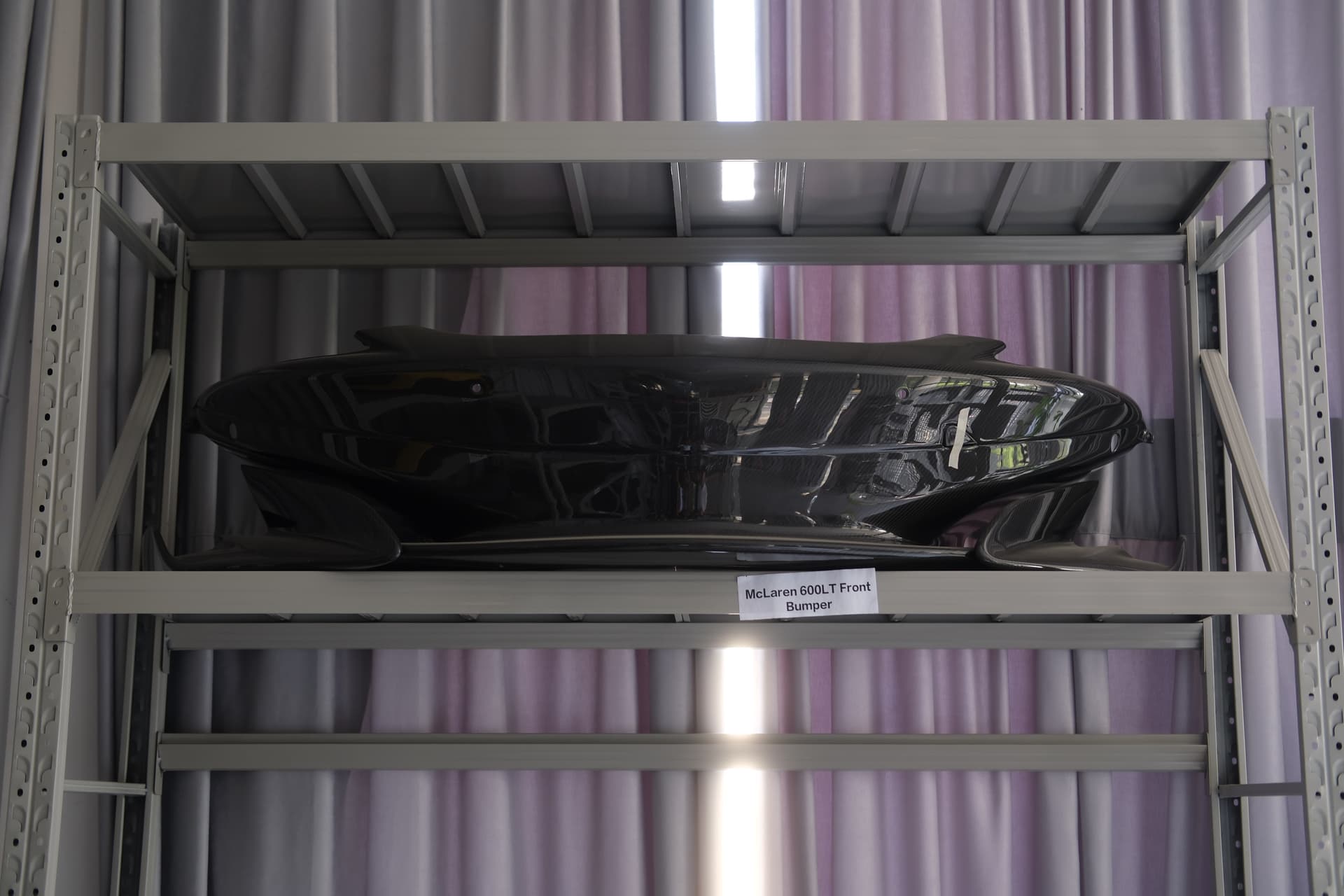
Carbon-fiber front body component prepared for product review
Automotive carbon component. OWNSILENT project/manufacturing image used as a visual reference; it is not claimed to depict every technical statement in this section.
PROCESS 05

Wheels and specialist components

Automotive carbon applications have included wheels as well as structural, semi-structural and decorative components. Each application requires its own material, manufacturing and validation approach.

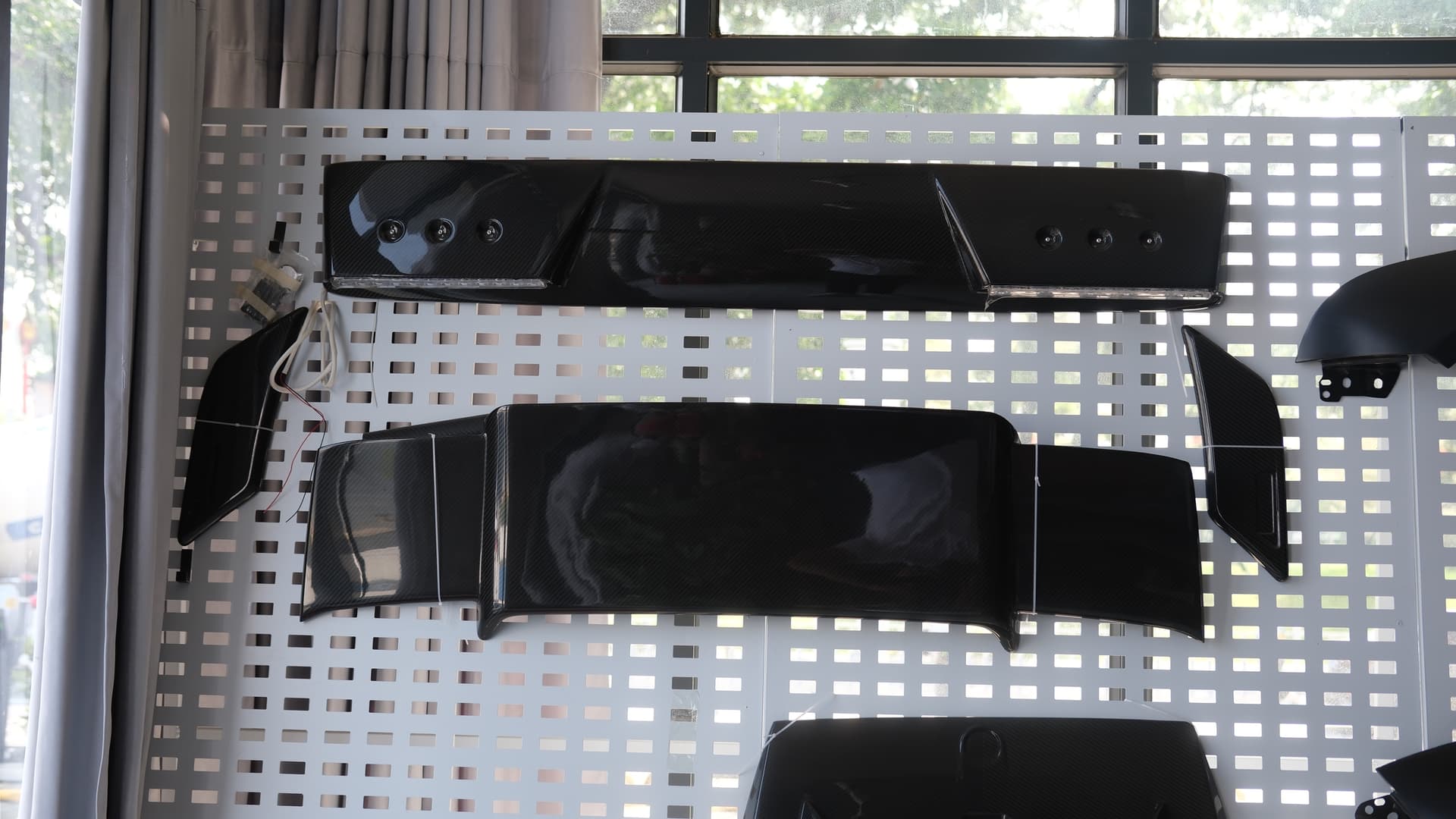
Carbon-fiber rear exterior component prepared for fitment
Exterior component scope. OWNSILENT project/manufacturing image used as a visual reference; it is not claimed to depict every technical statement in this section.
PROCESS 06

Road-car customization

For aftermarket or bespoke body parts, the same material family can be used for splitters, hoods, fenders, skirts, diffusers, spoilers and trim, but fitment, mounting and finish quality remain vehicle-specific.

Carbon-fiber component mould prepared for production
Tooling & mould preparation. OWNSILENT project/manufacturing image used as a visual reference; it is not claimed to depict every technical statement in this section.

Research sources

Wikipedia technical background used for this guide

The factual background is paraphrased and organized for automotive use. OWNSILENT project images are separate visual references and are not presented as Wikipedia media.

Related verified vehicle programmes

See this manufacturing knowledge connected to real carbon-fiber pages

Get In Touch

Discuss a carbon-fiber manufacturing programme

Send the vehicle or component reference, required parts, preferred material and finish, quantity and destination country for project review.

Usually replies within one business day · Handled by the OWNSILENT team

Prefer email? Reach us at sales@ownsilent.international

WhatsApp

We only use your details to answer your enquiry. No spam.

Before production

Fitment is part of the carbon-fiber specification.

The vehicle name alone is not enough for a custom composite order. The exact interfaces, finish direction and supplied component schedule should be confirmed before production.

OWNSILENT product scope

Customer-facing category, programme and supplied component definition.

OWNSILENT project image

Existing project or manufacturing media already held in the OWNSILENT library.

Visual description

A description of what is visibly shown without claiming an unsupported manufacturing step.

Fitment confirmation

Vehicle-specific details that require VIN, photos, mounting or interface review.

VIN & exact vehicle

Confirm model year, market specification, body style and current exterior configuration.

Current vehicle photos

Front, side, rear and the exact component area should be documented before quotation.

Material & finish

Dry carbon, forged-carbon appearance, exposed weave, painted zones and clear finish must be defined.

Interfaces

Confirm sensors, cameras, lamps, grilles, exhaust outlets, undertrays and adjacent panels.

Mounting & trial fit

Brackets, hardware, panel gaps and left/right alignment should be reviewed before final finishing.

Approved supplied scope

The final component schedule should state each supplied panel, trim piece, mesh, bracket and hardware item.