OWNSILENT

OUR PROCESS

Carbon Ceramic Rotors Manufacturing

From aerospace-grade carbon fiber to a finished rotor — every carbon-ceramic disc goes through seven precision stages.

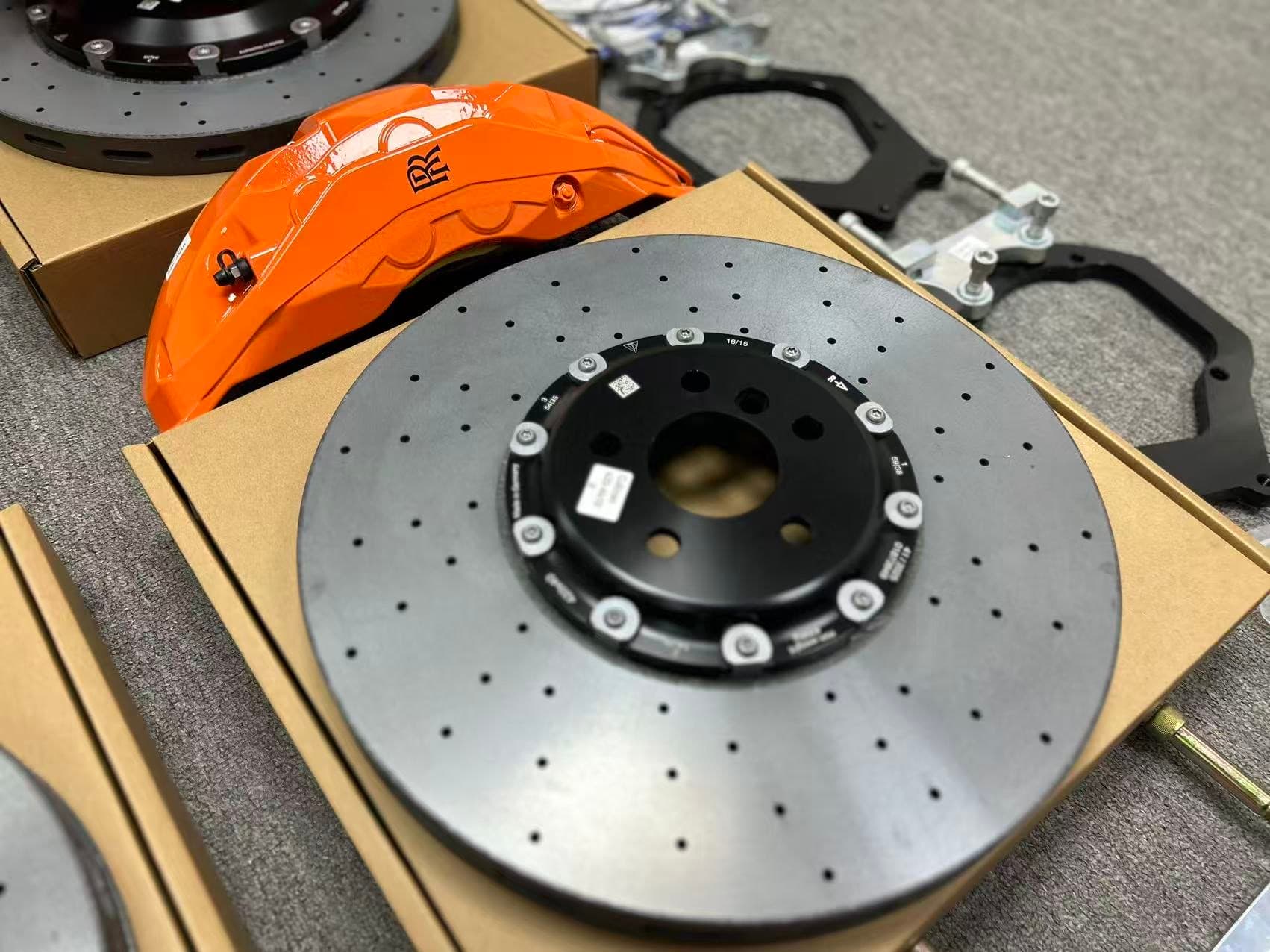
Premium AMG brake assembly packaged by Ownsilent

Ownsilent

Help@ownsilent.com

Carbon Fiber Compound1

Material Preparation

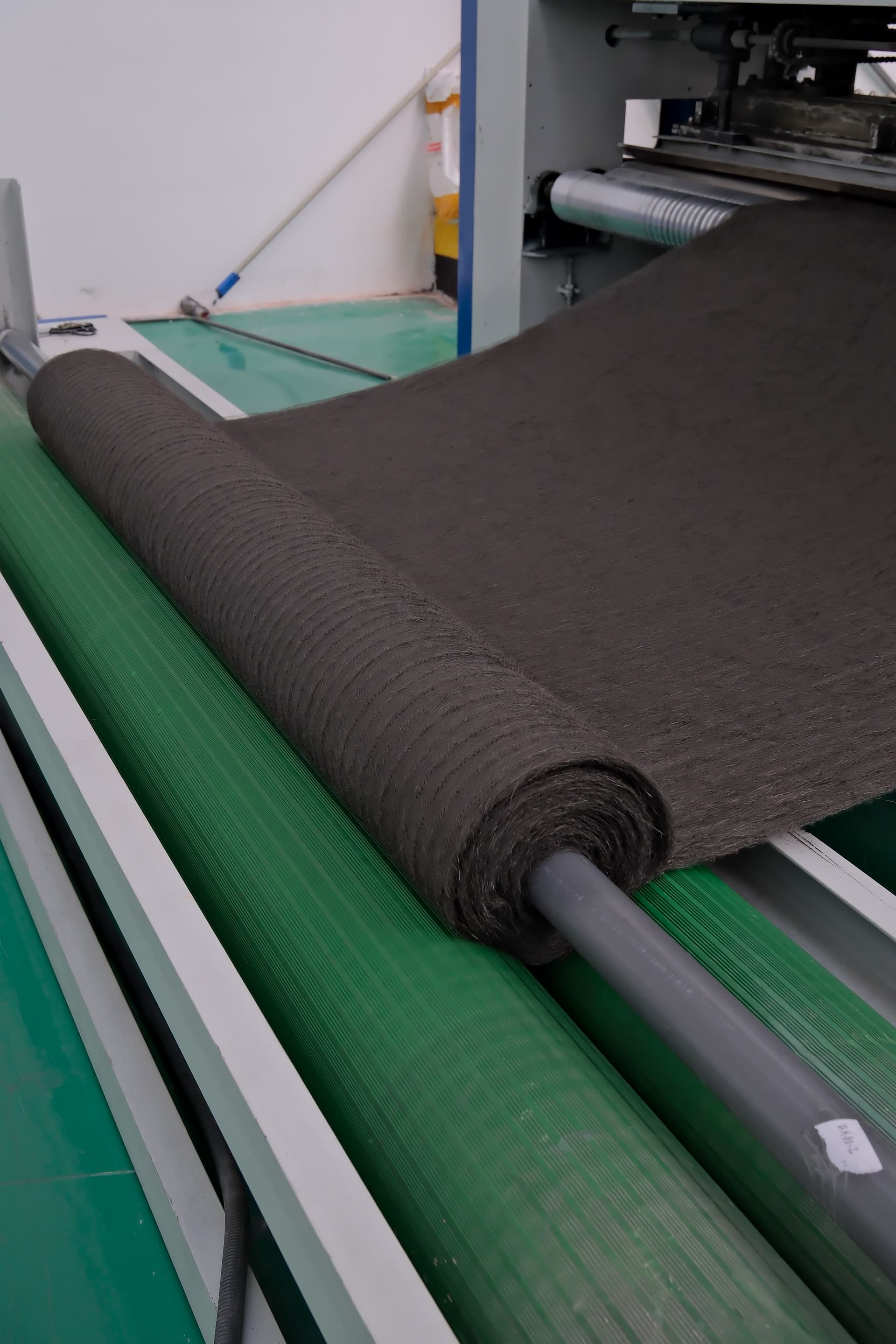
Carbon Fiber Compound

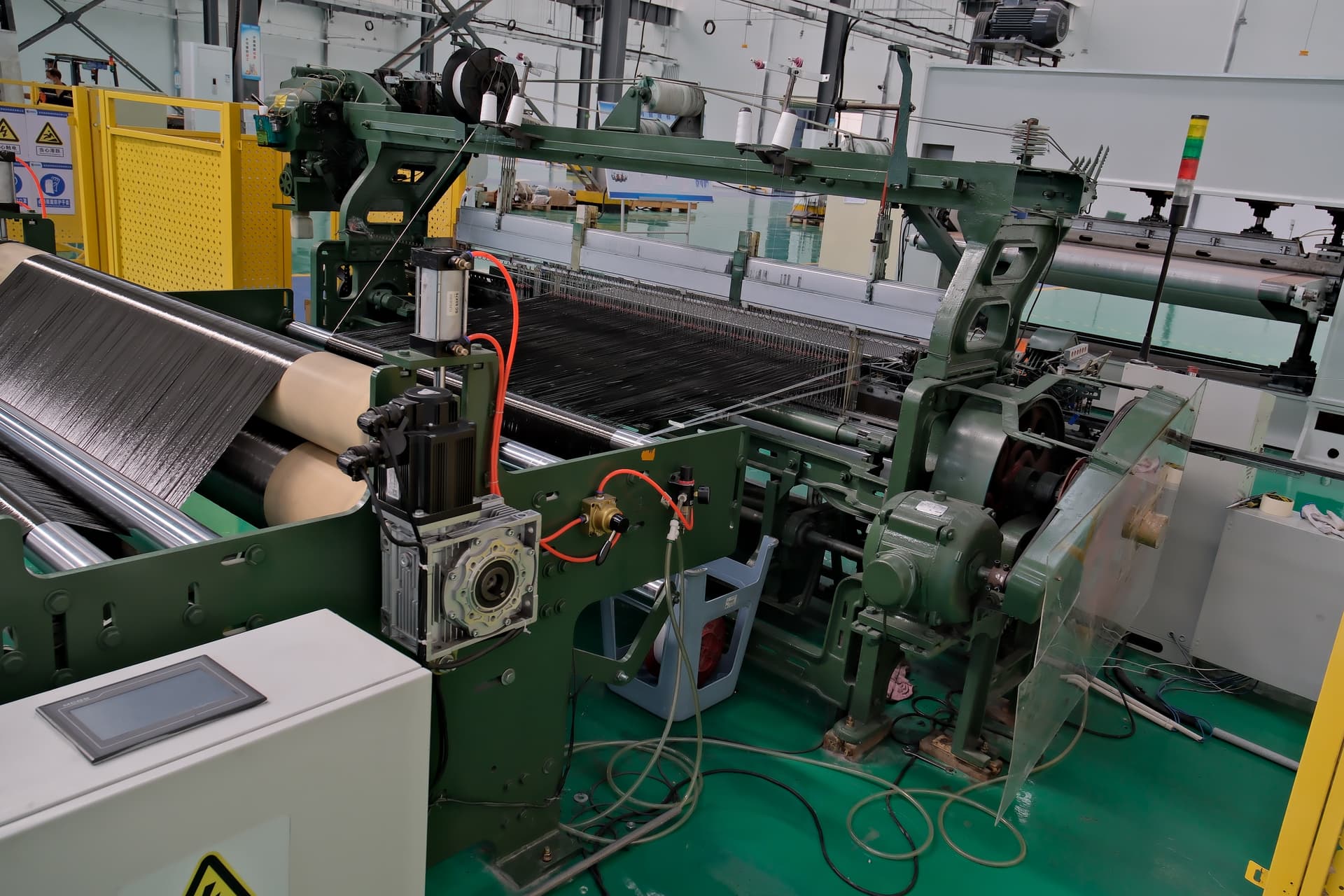
Short-cut carbon fibers are mixed with phenolic resin and binders into a moldable compound. This blend controls the fiber density and orientation that give the rotor its strength and thermal stability.

  • Aerospace-grade carbon fiber",
  • "Precise fiber-to-resin ratio",
  • "Foundation for strength and heat resistance"
Forming the Preform2

Pressing

Forming the Preform

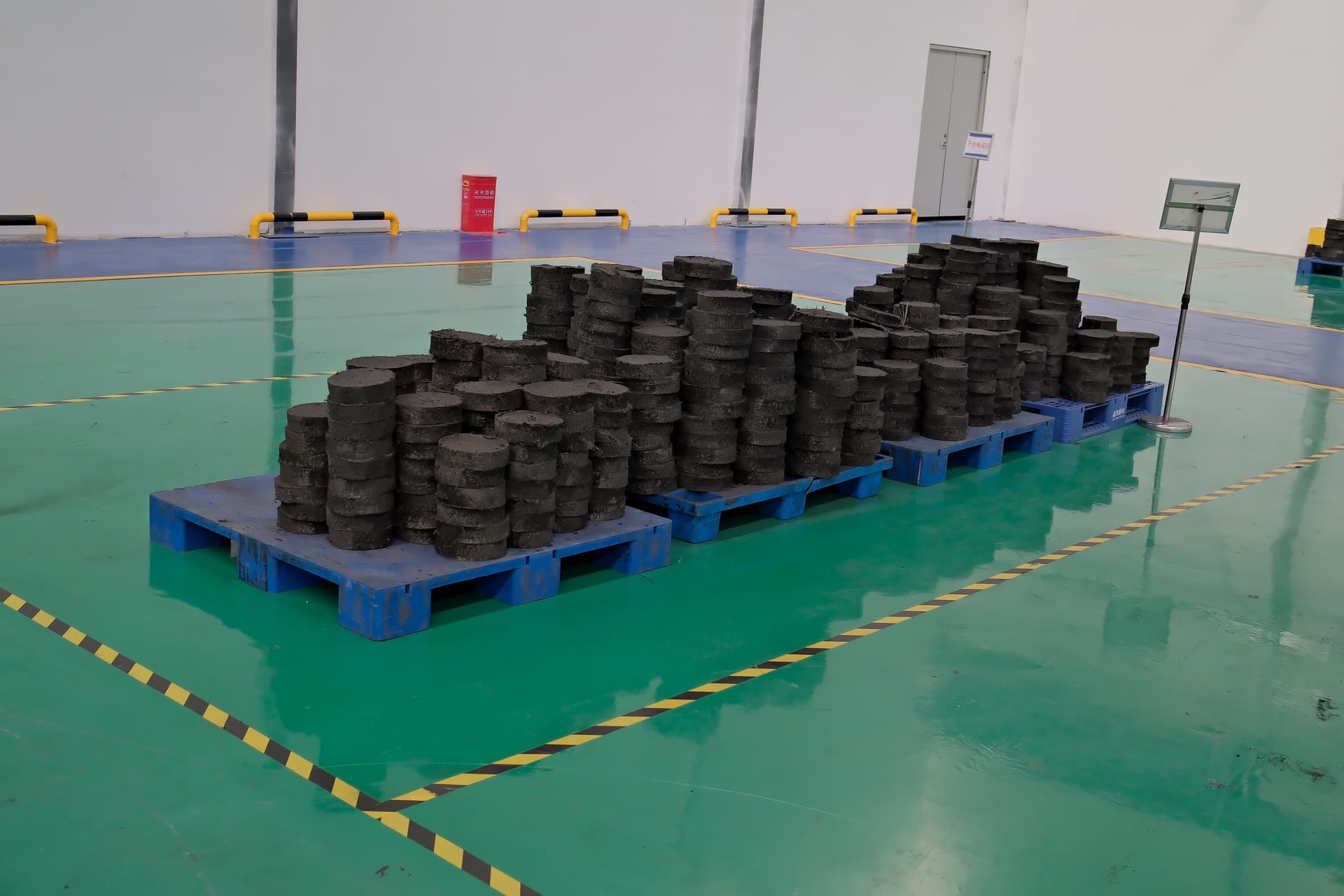
The compound is pressed into shape under high heat and pressure to create a green preform. Internal cooling vanes and channels are formed at this stage to manage airflow and heat during braking.

  • High-pressure molding
  • Integrated cooling vanes
  • Consistent disc geometry
Fast DeliveryHardening the Disc3

Curing

Fast DeliveryHardening the Disc

The preform is heat-treated to harden the resin and lock in its form. This gives the disc mechanical stability before it moves into the high-temperature firing stages.

  • Controlled heat treatment
  • Shape and dimensional stability
  • Prepares disc for firing
Firing to Carbon4

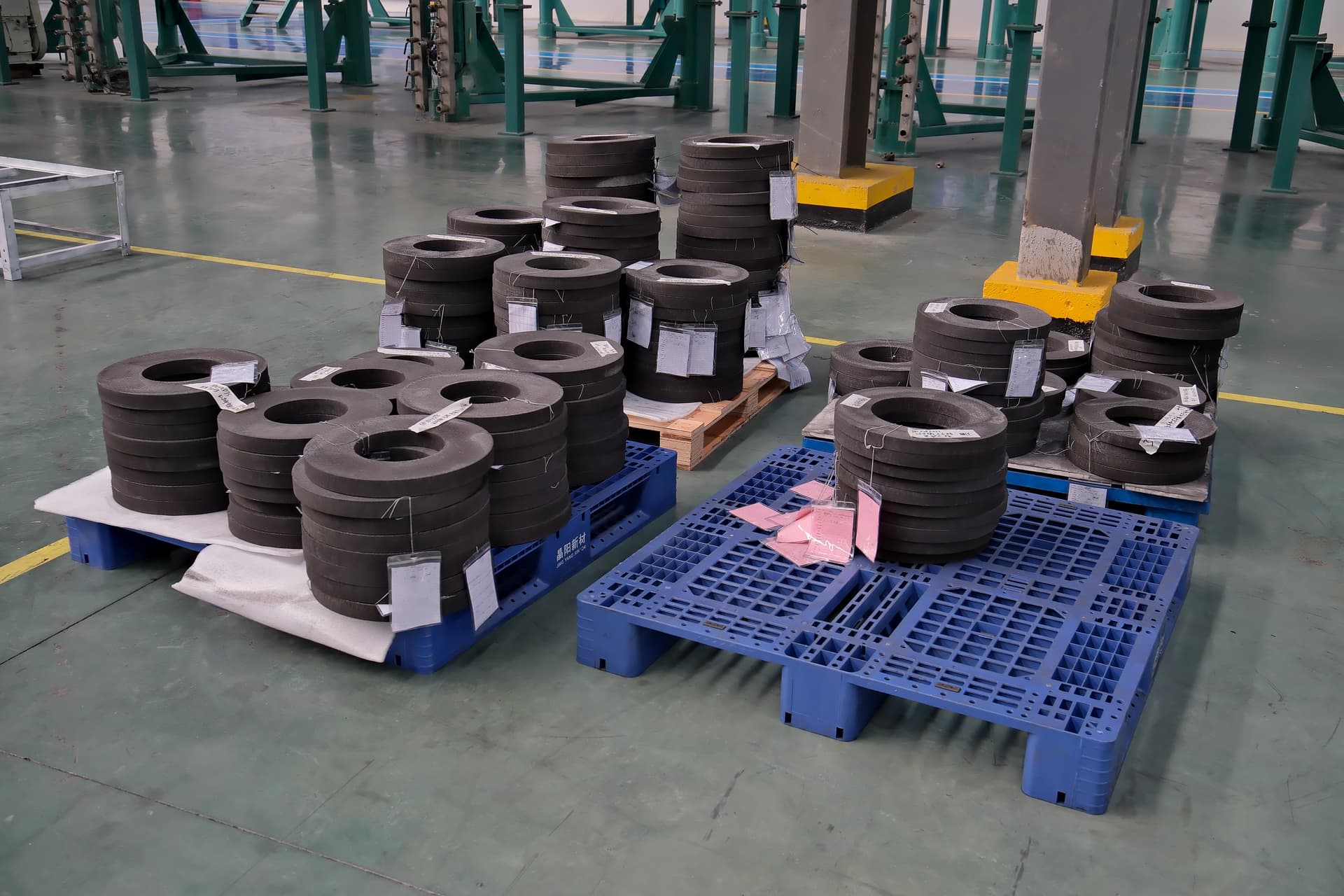
Carbonization

Firing to Carbon

The disc is fired at around 900°C in an oxygen-free atmosphere. The resin converts to carbon, producing a strong, porous carbon-fiber-reinforced carbon (C/C) structure.

  • 900°C oxygen-free firing
  • Resin converts to pure carbon
  • Lightweight porous carbon body
Precision Machining5

Machining

Precision Machining

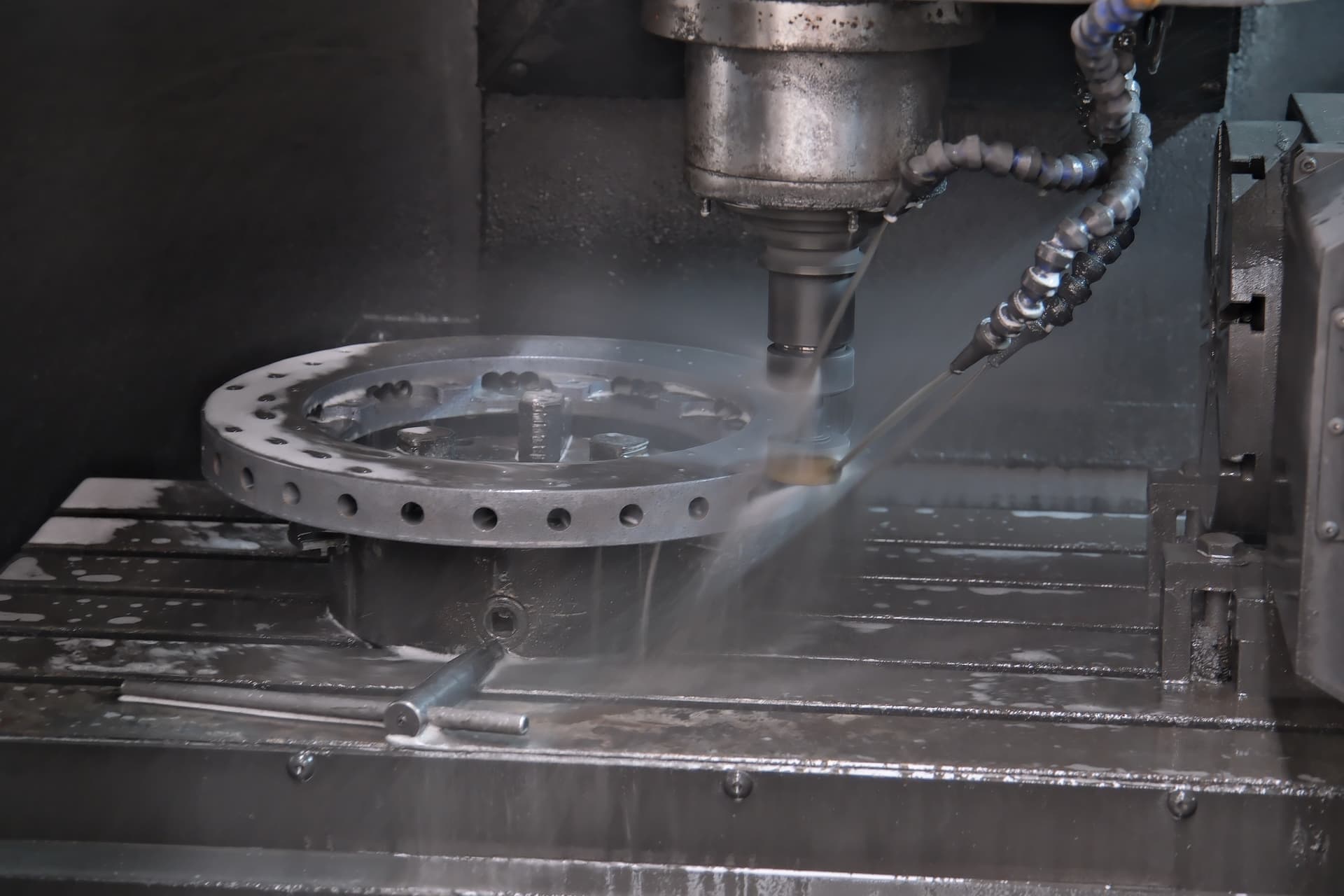
Cooling holes, mounting points, and braking surfaces are machined to near-final dimensions while the carbon body is still workable — before it becomes extremely hard in the next stage.

  • CNC-machined tolerances
  • Cooling holes and mounting points
  • Shaped before final hardening
Silicon Infiltration6

Siliconization

Silicon Infiltration

The porous carbon body is infiltrated with molten silicon at around 1700°C under vacuum. The silicon reacts with the carbon to form silicon carbide (SiC) — the ceramic that delivers extreme hardness, heat resistance, and long service life.

  • 1700°C liquid silicon infiltration
  • Forms silicon carbide (SiC) ceramic
  • Extreme hardness and fade resistance
Finishing and Inspection7

Finishing & Quality Control

Finishing and Inspection

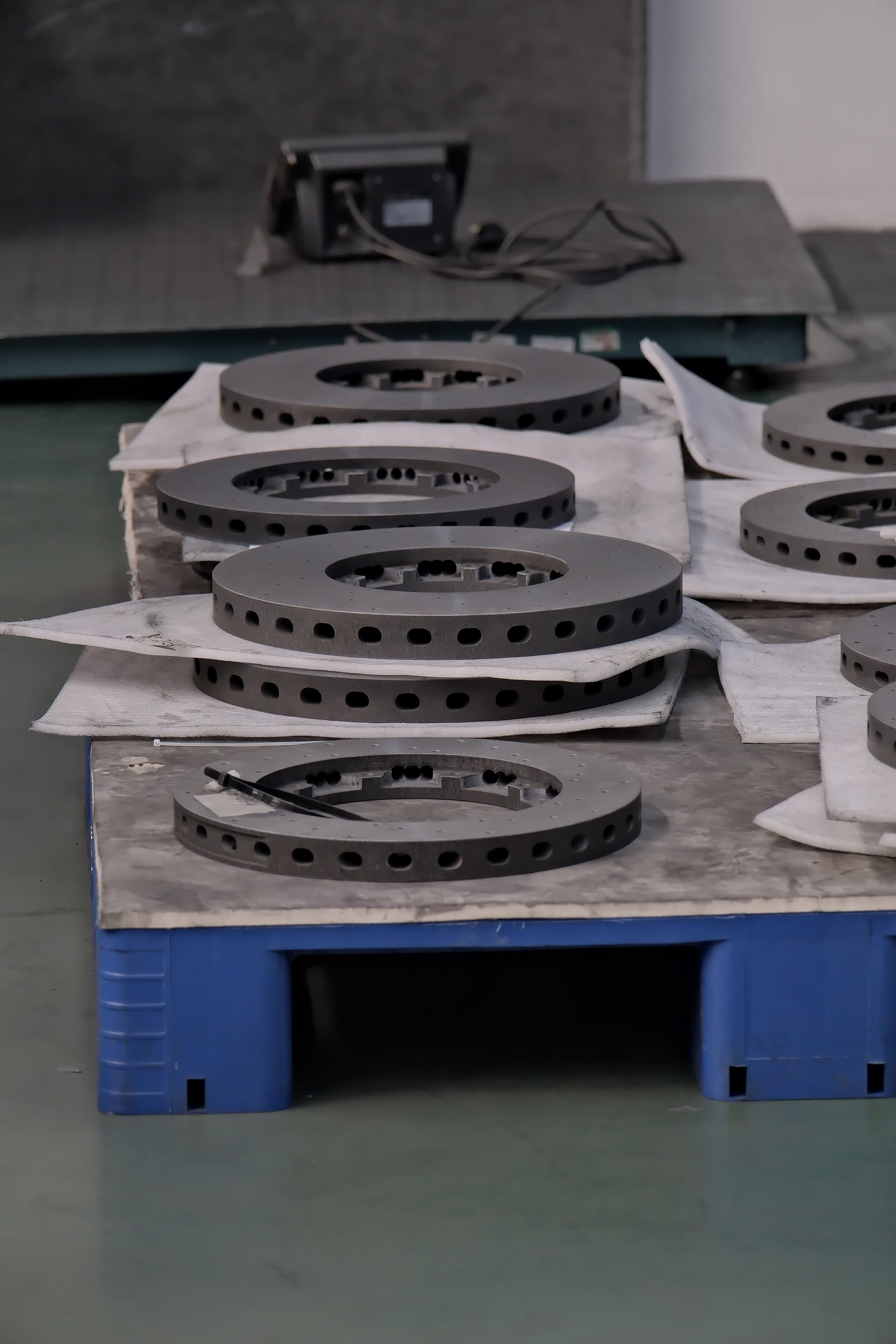
The disc receives a protective anti-oxidation coating, final grinding, drilling or slotting, and balancing. Every rotor is then inspected with dimensional checks and non-destructive testing before approval.

  • Anti-oxidation protective coating
  • Precision balancing and finishing
  • Full inspection and quality checks